Roundup
Watering Globes for Hanging Baskets and Outdoor Pots
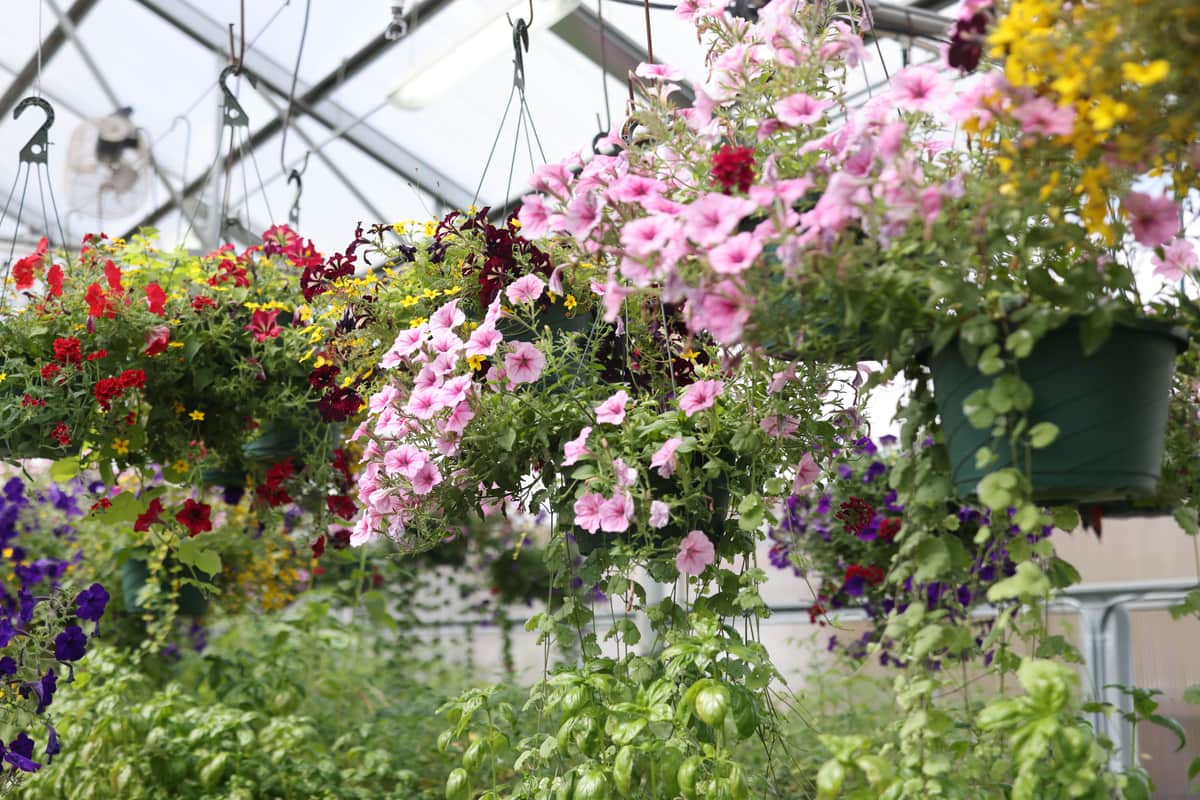
Hanging baskets are the fastest-drying containers in any garden. That changes what a bulb can honestly promise.
By Scooter M. - Enthusiast. Reads the manuals, compiles the specs, does the math. | Published
Disclosure
We earn a commission if you buy through our links. It does not change what we recommend or what you pay. Full disclosure.
The short answer
Why baskets are the hardest case
Three things compound. The container is exposed on every side, so evaporation happens through the sides as well as the surface - especially in coir or moss liners, which are deliberately open. The soil volume is usually small relative to the plant, because baskets are planted for display density. And warm air rises, so a basket hung high sits in the warmest air in the space.
Virginia Cooperative Extension lists container type and size, temperature, humidity and light intensity among the factors that change how much water a plant needs. A hanging basket manages to be on the wrong side of all four at once. That is the case for a basket with the reservoir built in, which we rank separately.
What the numbers look like
| Device | Volume | Indoor basket | Outdoor basket, summer |
|---|---|---|---|
| Small globe | 118 ml | 1 to 2 days | Hours |
| Large globe | 500 ml | 3 to 7 days | Under a day |
| Wine bottle spike | 750 ml | 5 to 10 days | About a day |
| 2 L bottle spike | 2 L | 2 to 4 weeks | 2 to 3 days |
| Blumat XL plus 5 L jug | 5 L at 150 ml/day | Weeks | 3 to 5 days |
We publish the outdoor column as directional rather than computed, and we want to be explicit about why. Our arithmetic rests on a watering cadence published for indoor container houseplants. There is no equivalent published band for an outdoor summer basket that we could apply honestly, and inventing one would produce a confident number with nothing behind it.
Practical constraints nobody mentions
Weight. A 2-liter bottle is two kilos of water hanging off the side of a basket that is already at its bracket’s limit when wet. Check the hook and the bracket before you add a reservoir, particularly on a coir basket where the mounting is a wire frame.
Overhead glass. A glass globe in a basket above head height, on a windy day or with a cat in the house, is a bad combination. This is the one case where we would choose plastic on principle rather than preference.
Insertion depth. Baskets are shallow and full of roots. A long spike often will not go in far enough to be fully surrounded by mix, and an exposed portion evaporates rather than delivering. Short spikes suit baskets; long ones do not.
Liner type. A plastic-lined basket behaves like a normal pot. A coir or moss basket loses water through the sides continuously, and no reservoir device can outrun that on a hot day. If you are going to be away, line the inside with a plastic bag punctured at the base before the trip - it halves the exposed surface.
The honest recommendation
Indoors, a basket is just a pot in a slightly worse position, and a large globe or a bottle spike works normally. Buy on capacity, as everywhere else in this section.
Outdoors in summer, do not rely on a bulb. Move the basket to the shadiest spot that keeps it alive, take it down and stand it on the ground if you can - it is cooler there and it removes the wind - and if the trip is longer than a couple of days, use a drip line with a real reservoir, which is the only thing with the volume. The full outdoor picture is on the outdoor vacation page.
Ranked picks
Quick picks
Ranked on published specifications and the computed refill interval, not on looks. Tap any row for the full write-up, including who should skip it.
| # | Product | Best for | Score | Price |
|---|---|---|---|---|
| 1 | 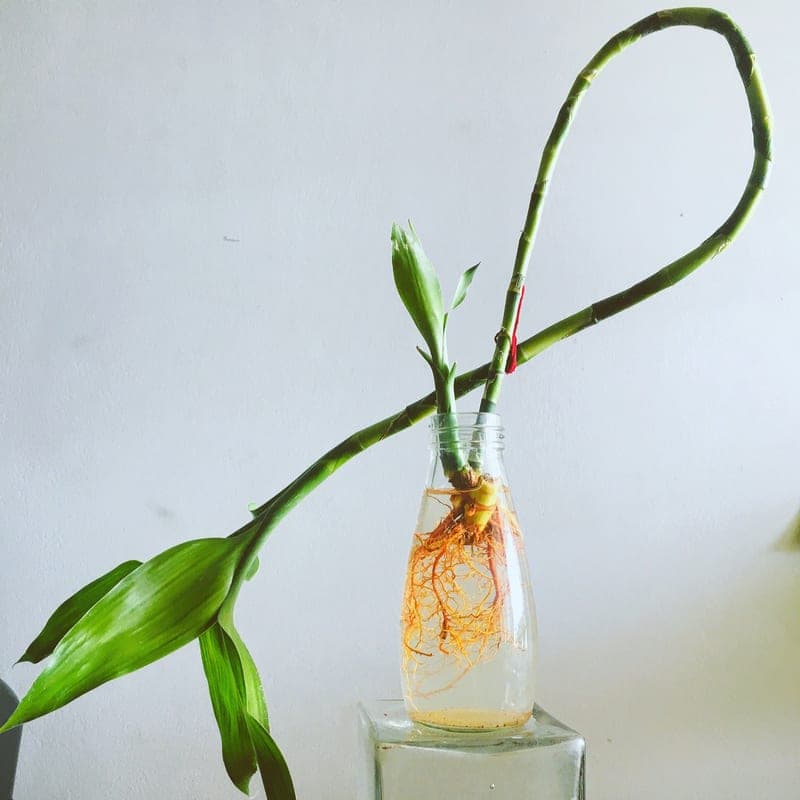 Large Hand-Blown Glass Watering GlobesA 6-inch houseplant over a long weekend, where a small globe fails Large Hand-Blown Glass Watering GlobesA 6-inch houseplant over a long weekend, where a small globe fails | Best for a basket indoors | 6.6 | Check price on Amazon |
| 2 | 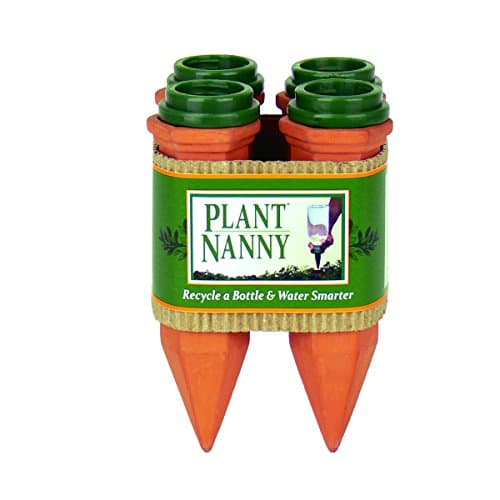 Plant Nanny Watering Spikes with Bottle AdapterThe longest unattended stretch you can get without a pump Plant Nanny Watering Spikes with Bottle AdapterThe longest unattended stretch you can get without a pump | Most volume per spike | 8.7 | $19.99 - View on Amazon |
| 3 | 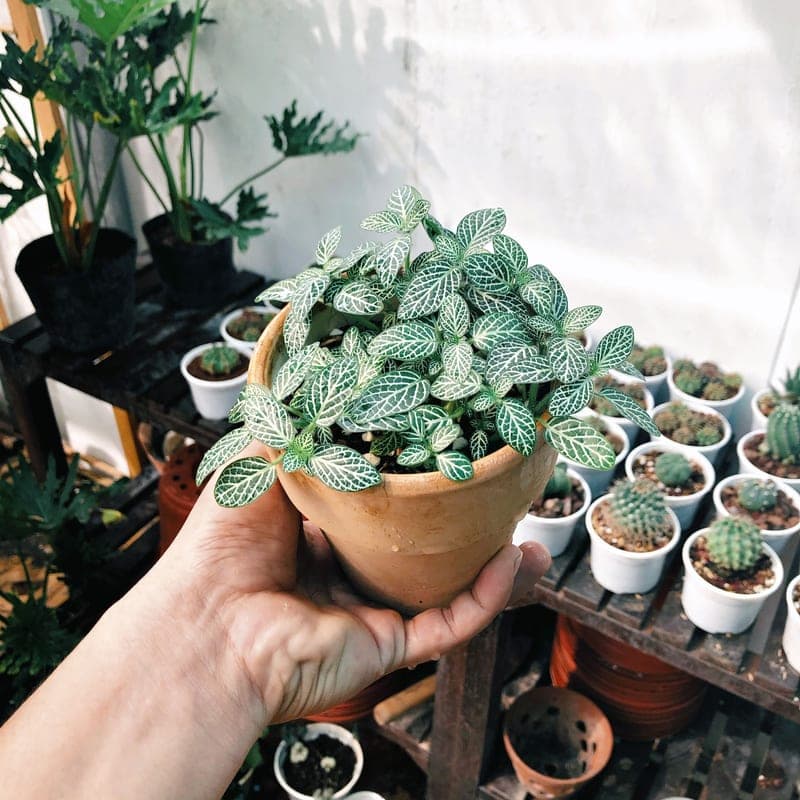 Blumat XL Classic Watering StakesLarger floor pots that out-drink a standard Classic Blumat XL Classic Watering StakesLarger floor pots that out-drink a standard Classic | Best for larger outdoor pots | 8.5 | Check price on Amazon |
| 4 | Plastic Watering Globes, MultipackSmall pots in a household where glass in soil is a bad idea | Safest overhead | 5.4 | Check price on Amazon |
Scores are our editorial judgment from published specifications. They are not test results, and they are deliberately not marked up as ratings in this page’s structured data.
Pick #1 - Best for a basket indoors
Large Hand-Blown Glass Watering Globes
A 6-inch houseplant over a long weekend, where a small globe fails
The large end of the globe category, in the 200 to 500 ml bracket rather than the 80 to 120 ml bracket most globes actually occupy. At 500 ml the arithmetic finally supports something close to the category's promise, which is the whole reason size is the only spec that matters here.
#ad We do not currently hold a live price for this, so we do not show one. How we make money.
Published specification
- Reservoir capacity
- Typically listed 200 to 500 ml for large globes, though individual capacity is usually not published
- Material
- Hand-blown glass
- Fill method
- Invert and fill through the stem
- Reservoir capacity: Survey of retail listings across the globe category
- Material: Published product descriptions
- Fill method: Published product descriptions
Refill interval - computed, not tested
About 5 to 10 days at 500 ml on a 6-inch tropical
500 ml divided by 350 ml per thorough watering of a 6-inch pot is 1.4 waterings. At once or twice a week, that is 5 to 10 days. On a succulent at once or twice a month, the same globe stretches to 21 to 42 days.
Assumes: 500 ml globe, tropical houseplant indoors unless stated otherwise. Light, temperature, humidity, soil mix and season all change how fast a pot dries, so treat this as a planning range and not a guarantee.
What is good about it
- The only globes where the arithmetic supports anything like the advertised interval
- Attractive, and the large sizes are less prone to being knocked over than thin-stemmed small ones
- On succulents, where the published cadence is once or twice a month, even a mid-sized globe covers weeks
What is not
- Capacity is still almost never printed on the listing, so you are buying by eye
- A 500 ml sphere is large in a 6-inch pot and takes up visible root-zone space
- Same fundamental problem as all globes: flow depends on soil contact, not on a valve
Skip this one if
Skip it if the listing does not state a capacity in ml and does not show a size reference. In this category the number is the product, and a globe sold without one is a lottery ticket.
How it scored
- Published capacity
- 3.5
- Computed interval
- 7.5
- Build and materials
- 7.0
- Value for money
- 7.5
- Honesty of claims
- 5.0
- Overall
- 6.6 / 10
Our editorial score, from published specifications and computed intervals. Not a test result. Specification source: Garden Gate, watering bulb category overview.
Pick #2 - Most volume per spike
Plant Nanny Watering Spikes with Bottle Adapter
The longest unattended stretch you can get without a pump
The soda-bottle version: a 5.5-inch terracotta spike with a screw adapter that takes a standard plastic bottle. Two liters on the end of it is the largest gravity reservoir on this site that still costs almost nothing.
#ad Price as of October 18, 2026, from Amazon. Prices change. How we make money.
Published specification
- Spike length
- 5.5 in
- Reservoir
- Any screw-top plastic bottle, with 2 liter the common choice
- Manufacturer duration claim
- Up to 2 weeks with a 2 liter bottle
- Material
- Unglazed terracotta with a plastic screw adapter
- Spike length: Lee Valley published specification
- Reservoir: Lee Valley published description
- Manufacturer duration claim: Lee Valley published description
- Material: Lee Valley published description
Refill interval - computed, not tested
About 20 to 42 days on a 6-inch pot
2,000 ml divided by 350 ml per thorough watering of a 6-inch pot is 5.7 waterings. At once or twice a week, that is 20 to 42 days. The published claim of up to two weeks is well inside that, which is the direction you want a claim to be wrong in.
Assumes: 6-inch tropical root ball, indoors, 2 liter bottle. Light, temperature, humidity, soil mix and season all change how fast a pot dries, so treat this as a planning range and not a guarantee.
What is good about it
- The published claim is conservative against the arithmetic by a wide margin
- Two liters for the price of an empty soda bottle is the best cost per milliliter on this site
- Terracotta throttles delivery by soil moisture rather than pouring on a schedule
What is not
- A 2 liter bottle upside down in a houseplant is genuinely ugly
- Top-heavy in a light pot, and it will tip a small plastic pot over
- Needs the ceramic soaked and de-aerated before it works properly
Skip this one if
Skip it if the plant lives somewhere you look at every day. This is a solution for the week you are away, not a permanent fixture.
How it scored
- Published capacity
- 9.5
- Computed interval
- 9.5
- Honesty of claims
- 9.5
- Value for money
- 10.0
- Looks
- 3.0
- Overall
- 8.7 / 10
Our editorial score, from published specifications and computed intervals. Not a test result. Specification source: Lee Valley Plant Nanny watering spikes listing.
Pick #3 - Best for larger outdoor pots
Blumat XL Classic Watering Stakes
Larger floor pots that out-drink a standard Classic
The same ceramic-cone mechanism at roughly double the delivery rate, which is the version that actually covers an 8-inch pot. If you sized a Classic to a large plant and it dried out anyway, this is why.
#ad We do not currently hold a live price for this, so we do not show one. How we make money.
Published specification
- Delivery rate
- About 150 ml per day, roughly double the Classic
- Maximum lift
- Draws water up to 12 in (30 cm)
- Watering method
- Ceramic cone, vacuum-driven by soil dryness
- Delivery rate: Blumat retailer published specification
- Maximum lift: Blumat retailer published specification
- Watering method: Blumat published description
Refill interval - computed, not tested
Covers an 8-inch pot's 114 to 229 ml a day at the low end
An 8-inch tropical houseplant draws 800 ml every 3.5 to 7 days, which is 114 to 229 ml a day. The XL's published rate of about 150 ml a day sits inside that band. The Classic's 75 ml a day does not.
Assumes: 8-inch tropical root ball, indoors. Light, temperature, humidity, soil mix and season all change how fast a pot dries, so treat this as a planning range and not a guarantee.
What is good about it
- The only spec-published option here that scales to a genuinely large pot
- Same demand-driven behavior as the Classic, so it still stops when the soil is wet
What is not
- Same fussy soak-and-de-aerate setup as the Classic
- At 150 ml a day a large plant empties a small jug quickly, so it needs a proper reservoir
- Overkill and slow-flowing for small pots
Skip this one if
Skip it for anything under about 8 inches. On a small pot the higher rate is not an advantage, and you have paid extra for headroom you will not use.
How it scored
- Published specification
- 10.0
- Computed interval
- 8.5
- Honesty of claims
- 9.5
- Value for money
- 6.5
- Ease of setup
- 5.5
- Overall
- 8.5 / 10
Our editorial score, from published specifications and computed intervals. Not a test result. Specification source: Blumat XL published specification, via Sustainable Village.
Pick #4 - Safest overhead
Plastic Watering Globes, Multipack
Small pots in a household where glass in soil is a bad idea
The plastic version of the same idea, usually sold six or twelve to a pack. They do not break, which is a real advantage in a house with a floor. They hold the same small volume, which is the same real problem.
#ad We do not currently hold a live price for this, so we do not show one. How we make money.
Published specification
- Reservoir capacity
- Not published by the manufacturer
- Material
- Plastic, usually with a spike or stem tip
- Pack size
- Commonly 4, 6 or 12 per pack
- Reservoir capacity: Checked multipack listings, capacity per globe not published
- Material: Published product descriptions
- Pack size: Published product listings
Refill interval - computed, not tested
Same order as a small glass globe: 1 to 2 days on a 6-inch pot
Plastic globes sit in the same size bracket as small glass globes. At a representative 118 ml against 350 ml per thorough watering of a 6-inch pot, that is 0.3 of a watering, or 1.2 to 2.4 days.
Assumes: Small globe volume, tropical houseplant indoors. Light, temperature, humidity, soil mix and season all change how fast a pot dries, so treat this as a planning range and not a guarantee.
What is good about it
- Will not shatter into potting mix, which matters with pets or small children
- Cheap per unit in a multipack, so you can put one in every small pot
- Lighter, so less likely to tip a small pot over
What is not
- Same capacity problem as glass, with none of the looks
- Plastic stems are more likely to crack at the tip than glass is to break
- Capacity per globe is not published on any multipack listing we checked
Skip this one if
Skip it if you were hoping the plastic version somehow holds more. It does not. The advantage is safety, not duration.
How it scored
- Published capacity
- 1.0
- Computed interval
- 2.5
- Build and materials
- 6.5
- Value for money
- 8.0
- Honesty of claims
- 3.0
- Overall
- 5.4 / 10
Our editorial score, from published specifications and computed intervals. Not a test result. Specification source: Homes and Gardens, overview of plant watering globes.
Questions people actually ask
- Do watering globes work in hanging baskets?
Indoors, yes, subject to the same capacity arithmetic as any pot. Outdoors in summer they are a top-up rather than cover, because a basket is exposed on all sides and dries faster than any other container you own.
- How do I keep hanging baskets watered while on vacation?
Take them down and stand them on the ground in shade, which is cooler and out of the wind. Line a coir basket with punctured plastic to cut side evaporation. For anything past two days in summer, use a drip line rather than a bulb.
- Will a watering globe fall out of a hanging basket?
It can, if the basket moves in wind or the mix is loose with roots. Push it in straight and deep, and choose plastic over glass for anything above head height.
- Why do hanging baskets dry out so fast?
Exposure on all sides, a small soil volume relative to the planting, and warm air at height. Coir and moss liners make it worse because they are open by design and lose water through the sides continuously.
Sources