Roundup
Best Indoor Self-Watering Planters
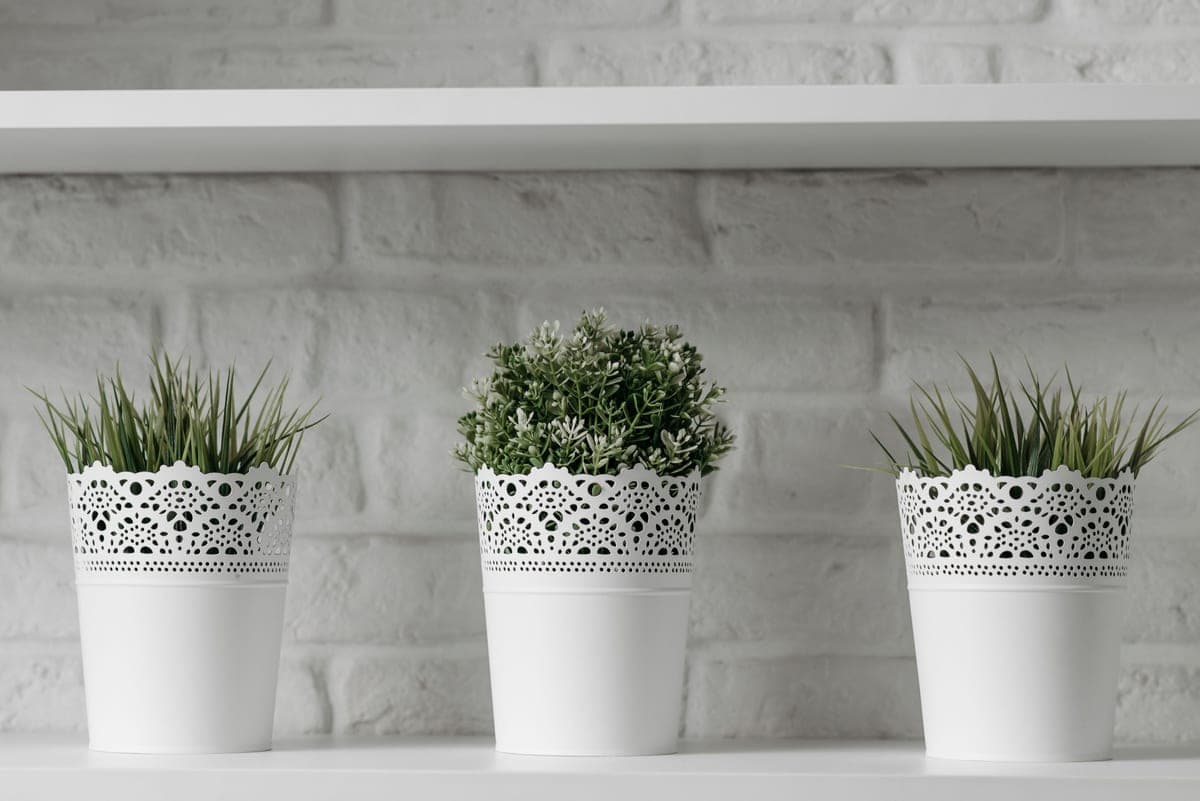
Indoor planters ranked by published reservoir capacity and computed refill interval, not by looks.
I want a pot that does it for me
A reservoir under the soil is the most durable fix for forgetting. How long one actually lasts is a division problem, and almost nobody publishes the numerator.
Disclosure
We earn a commission if you buy through our links. It does not change what we recommend or what you pay. Full disclosure.
The short answer
There is a reason self-watering planters are the most durable answer to forgetting: they change the problem from remembering to refilling, and refilling happens on a scale of weeks rather than days. Nothing else in this category comes close on that axis. A watering globe buys you a long weekend. A well-sized reservoir planter buys you a season.
What makes shopping for one strange is that the single specification that decides the answer is missing from most listings. We surveyed the planters in this section and the split is stark: Lechuza and EarthBox publish reservoir capacity in liters or gallons, and most of the rest do not publish it at all. You can find the color, the drainage-hole count and the shipping weight of a self-watering planter far more easily than you can find how much water it holds. That is the gap this section exists to close.
Where a capacity is published, we divide it by the volume of one thorough watering for the pot size that planter suits, and multiply the result by the watering cadence Virginia Cooperative Extension publishes for that plant type. Where a capacity is not published, we say so on the card and compute nothing. A made-up numerator produces a real-looking answer, and a real-looking answer is exactly how somebody comes home to a dead ficus.
Bigger planter does not mean longer interval. This surprises almost everyone. A 6-liter reservoir under an 8-inch plant lasts a shorter time than a 5-liter reservoir under a 6-inch plant, because the plant grew faster than the tank did. What actually matters is the ratio of reservoir volume to root-ball volume, and the practical consequence is that the small desk planter is usually the one you can genuinely walk away from.
| Planter | Published reservoir | Suits | Computed interval |
|---|---|---|---|
| Lechuza Classico Color 21 | 5 liters | 6 in root ball | 7 to 14 weeks |
| Lechuza Cubico Color 22 | 6 liters | 8 in root ball | 4 to 8 weeks |
| EarthBox Junior | 1.15 gal (4.4 L) | Herbs, 1 cu ft | 3 to 5 weeks |
| EarthBox Original | 3 gal (11.4 L) | Outdoor edibles | Not computed - see below |
| Bloem Ariana 12 in | Not published | 12 in pot | Cannot be computed |
The EarthBox Original row is deliberately blank. The frequency band we use is published for indoor container houseplants, and an outdoor tomato in July transpires several times that. Applying the indoor band to an outdoor crop would produce a number that flatters the product, so we do not produce one. In hot weather, expect to top an EarthBox up daily.
27 pages in this section
Roundups carry ranked picks with a live-price buy button on the top one. Comparisons and guides answer the question behind the purchase.
Roundup
Indoor planters ranked by published reservoir capacity and computed refill interval, not by looks.
Roundup
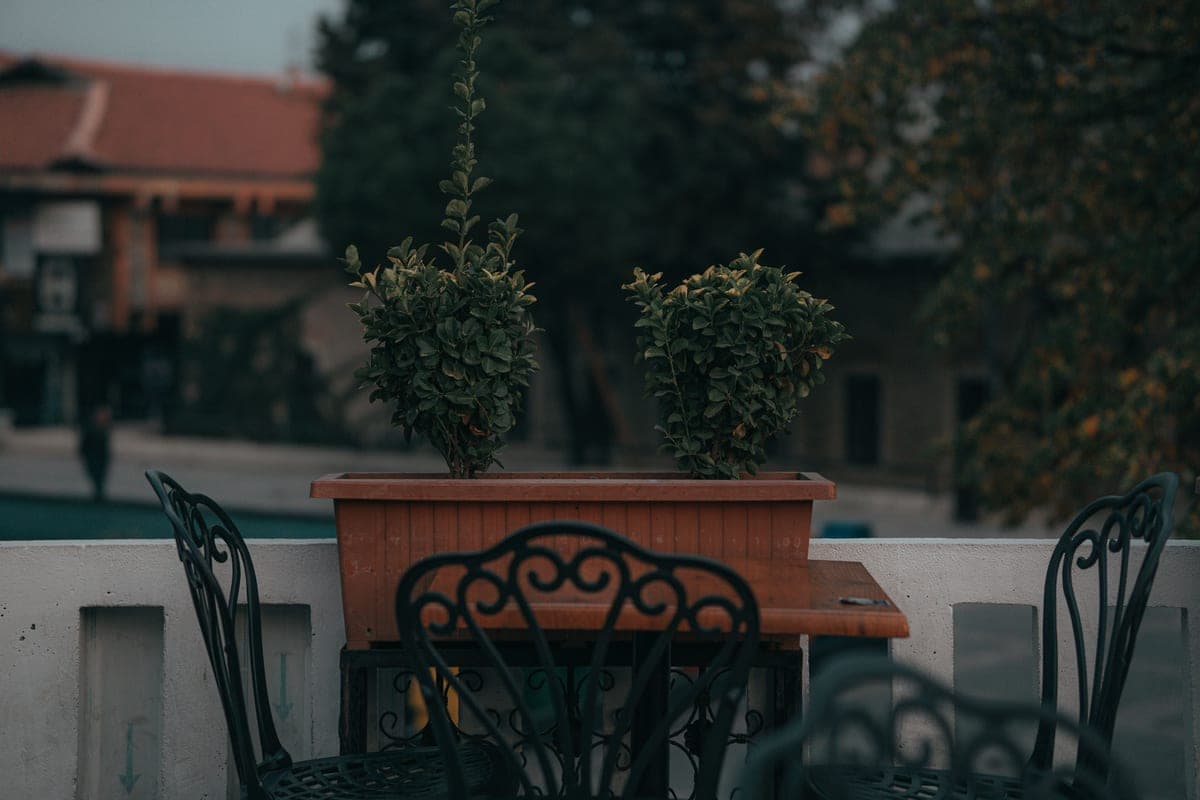
Patio and balcony planters, with drainage plugs, frost tolerance and published capacity.
Roundup
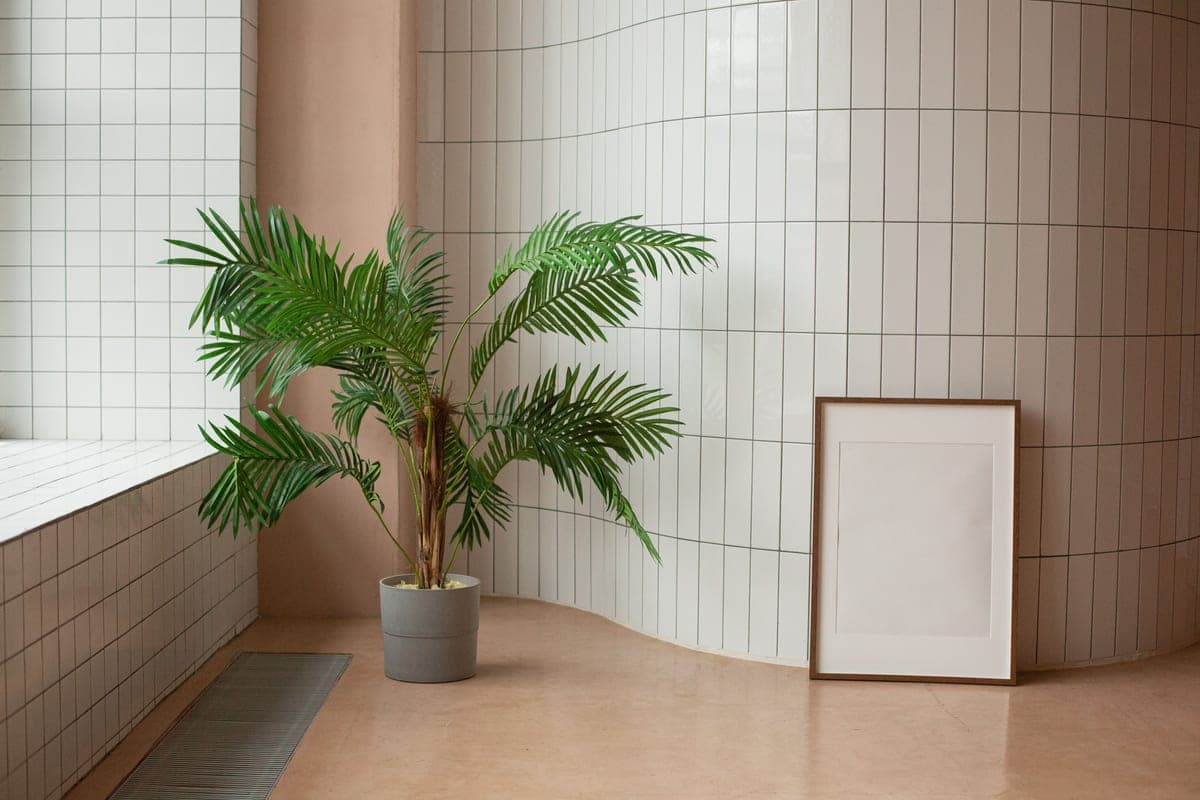
Floor-sized planters, with the ratio arithmetic that explains why bigger is not longer.
Top pick - Best large planter
Lechuza Cubico Color 22
Live price not held right now - check it on Amazon
Check price on Amazon
Roundup
Conversion inserts ranked on published capacity and the pot depth each one needs.
Top pick - Best conversion kit
Gardener's Supply Adjustable Self-Watering Insert
$36.99 at Amazon
$36.99 - View on Amazon
Roundup
Sub-irrigated boxes for edibles, ranked on published reservoir and growing-media volume.
Head to head
The honest head to head, including the three categories where an ordinary pot wins.
Head to head
Two mechanisms sold under one name, and how to tell which one you have bought.
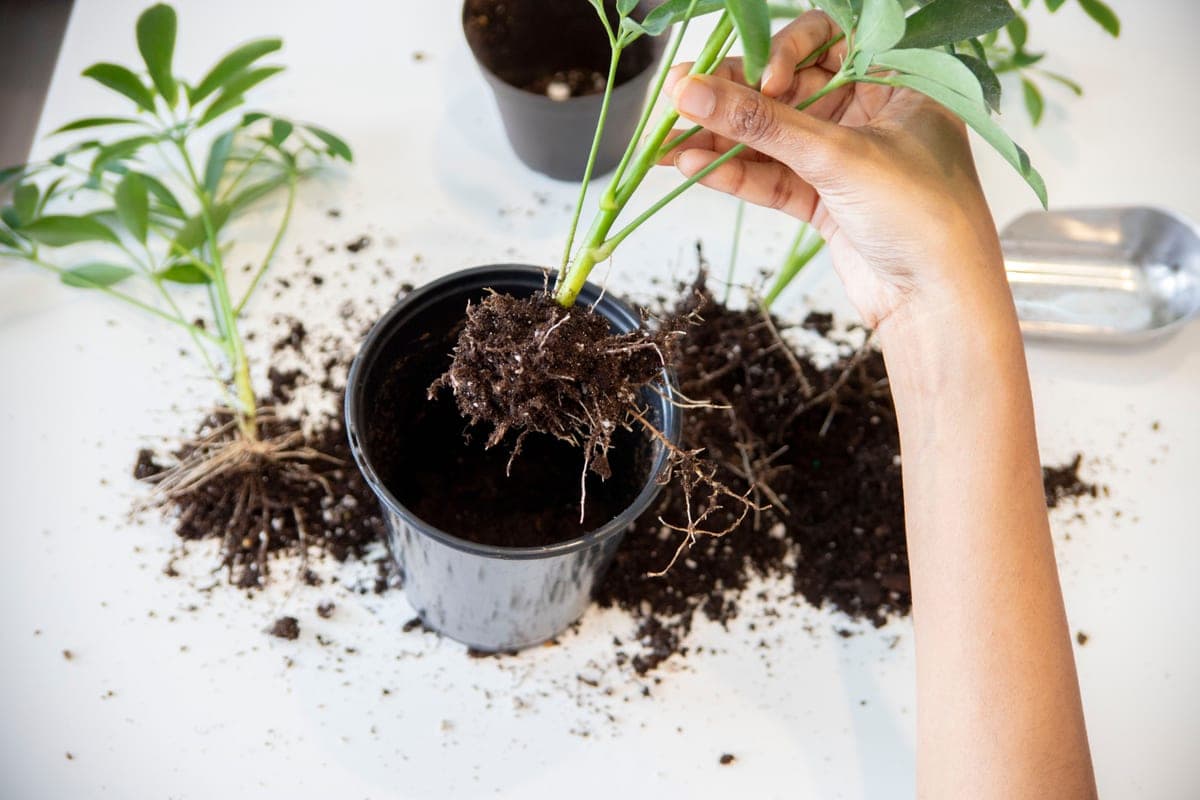
Guide
The mechanism in four steps, plus the air gap that keeps roots out of the water.
Guide
The honest yes-or-no, including the three readers who should not buy one.
Guide
The honest answer to the biggest objection, with the pathogens named and the errors listed.
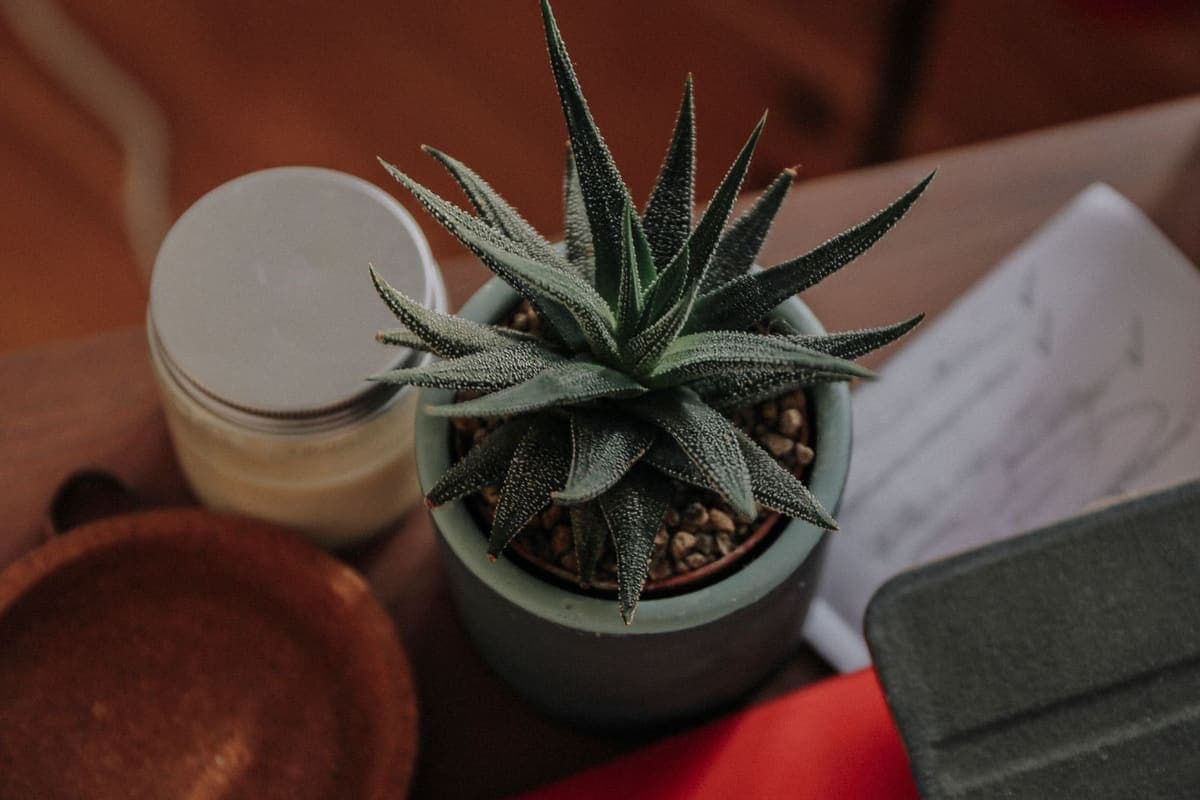
Review
The 5 liter published reservoir, the computed refill interval, and the two reasons to skip it.
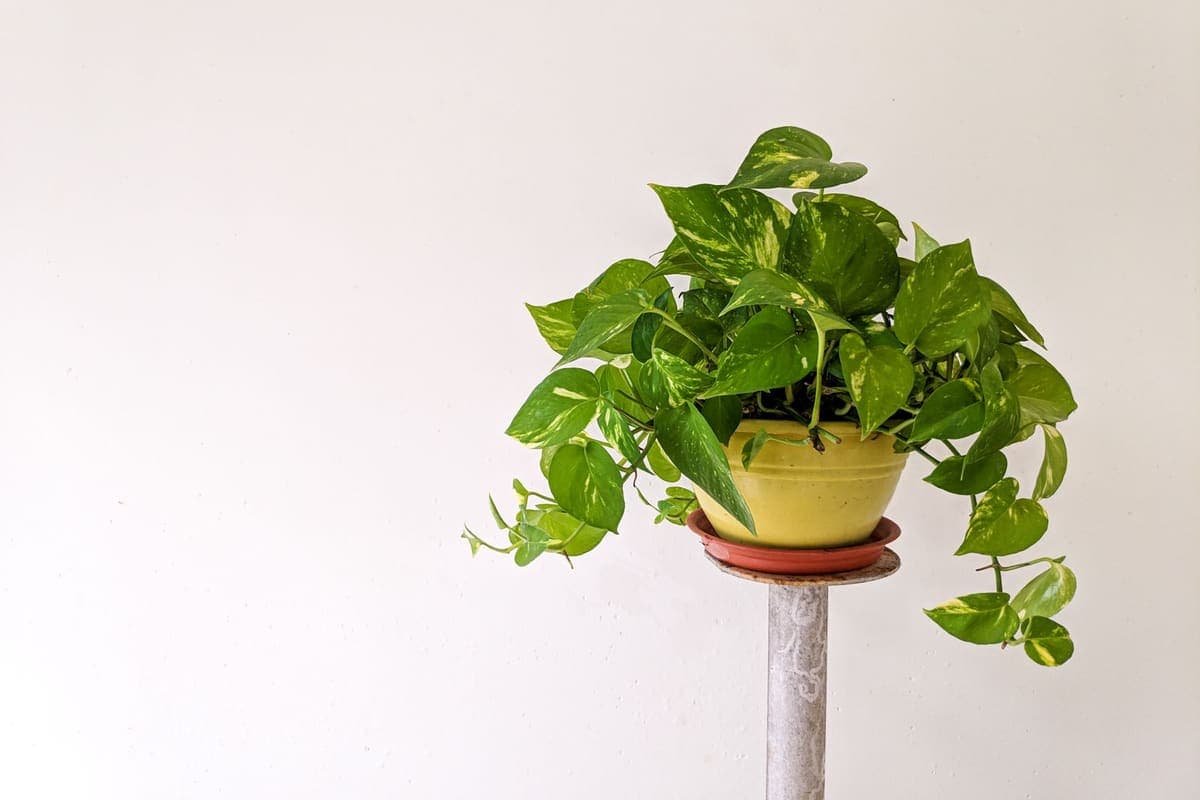
Guide
Which plants suit a reservoir pot, which do not, and why our two favorite survivors are on the wrong list.
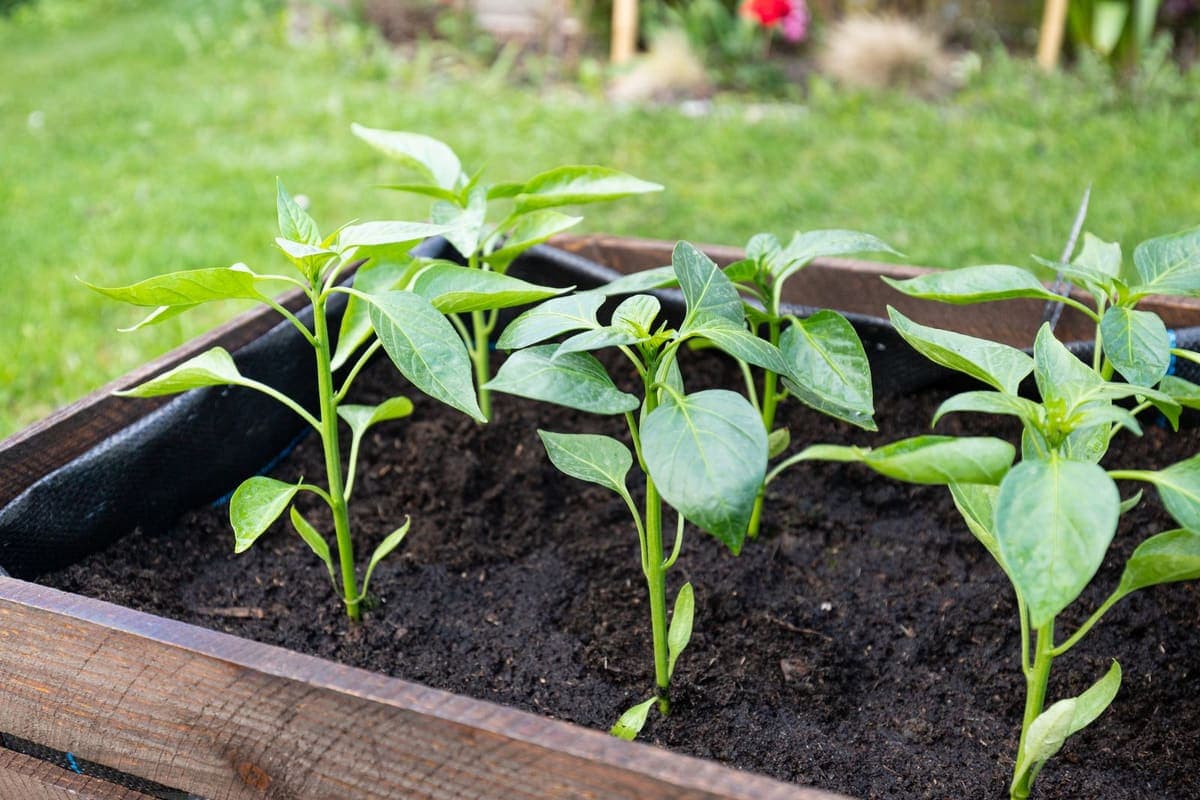
Review
Published capacities, the two claims we will not repeat, and what the box actually costs to get growing.
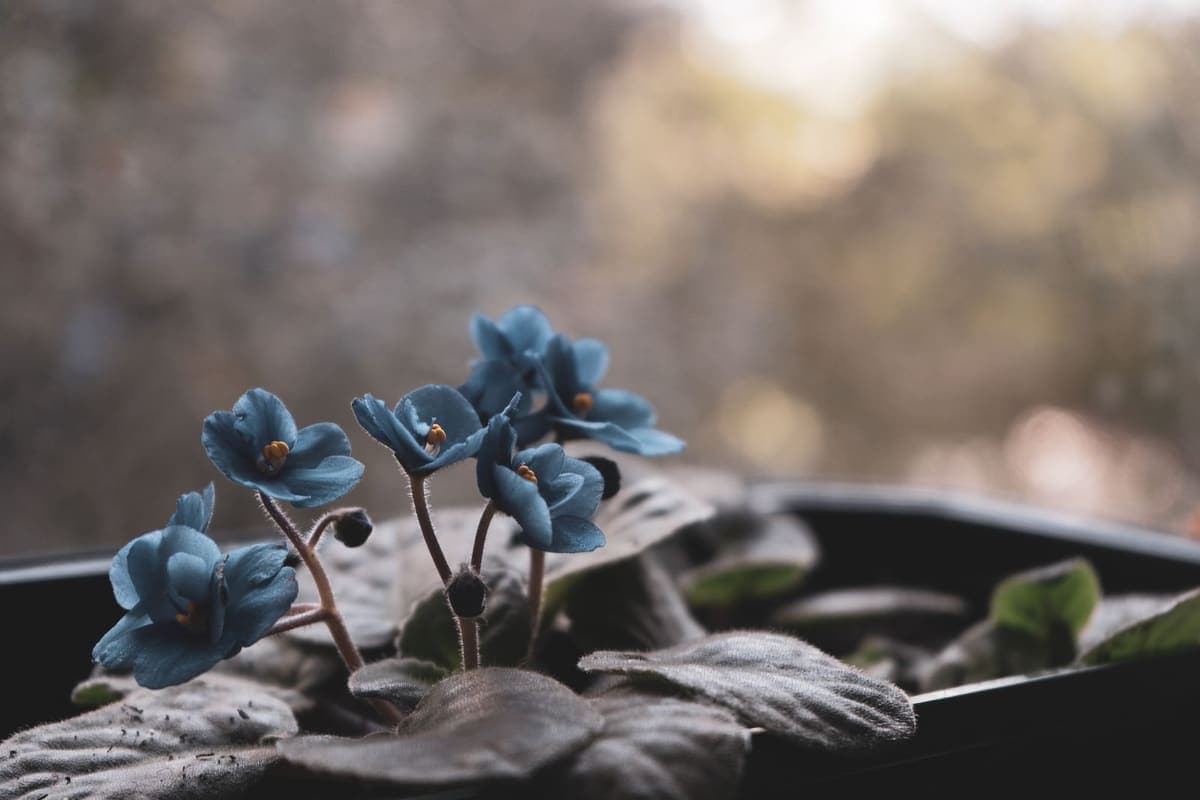
Roundup
Two-piece violet pots ranked on fill visibility and build, with the honest gap none of them publishes.
Top pick - Best violet pot
Thriving Thicket 6-Inch Self-Watering African Violet Pot with Fill Lines
$26.96 at Amazon
$26.96 - View on Amazon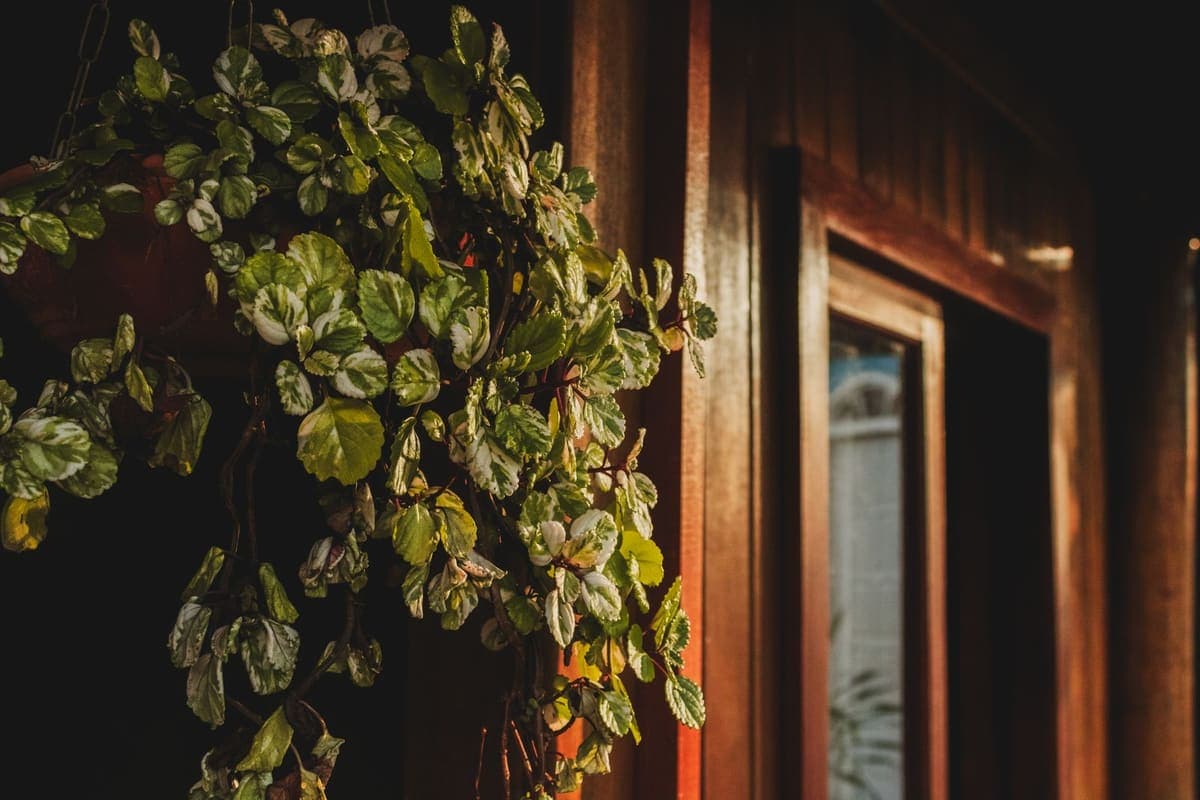
Roundup
Reservoir hanging baskets ranked on published capacity, with the day counts computed rather than claimed.
Top pick - Best hanging basket
Lechuza Nido Cottage 35 Self-Watering Hanging Planter
Live price not held right now - check it on Amazon
Check price on Amazon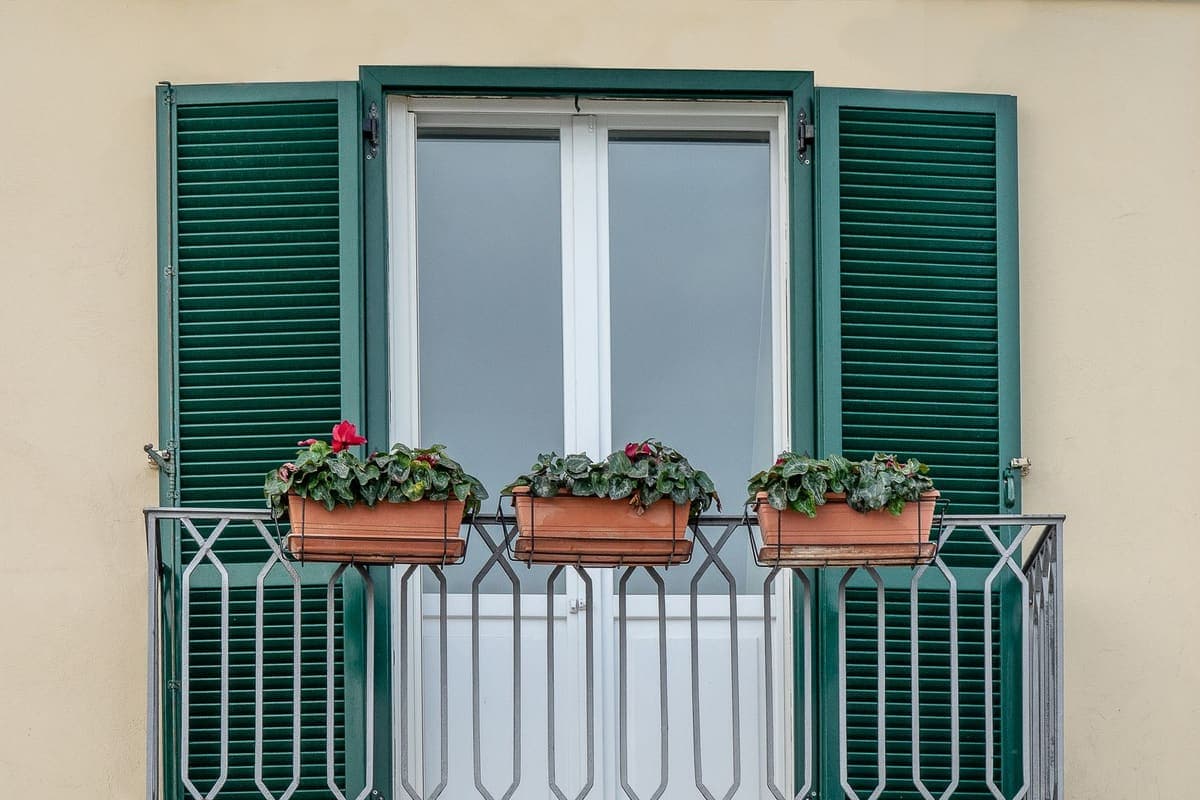
Roundup
Reservoir window boxes ranked on published capacity and soil volume, with the shallow-depth limit stated plainly.
Top pick - Best window box
Lechuza Balconera Color 80 Self-Watering Window Box
$87.99 at Amazon
$87.99 - View on Amazon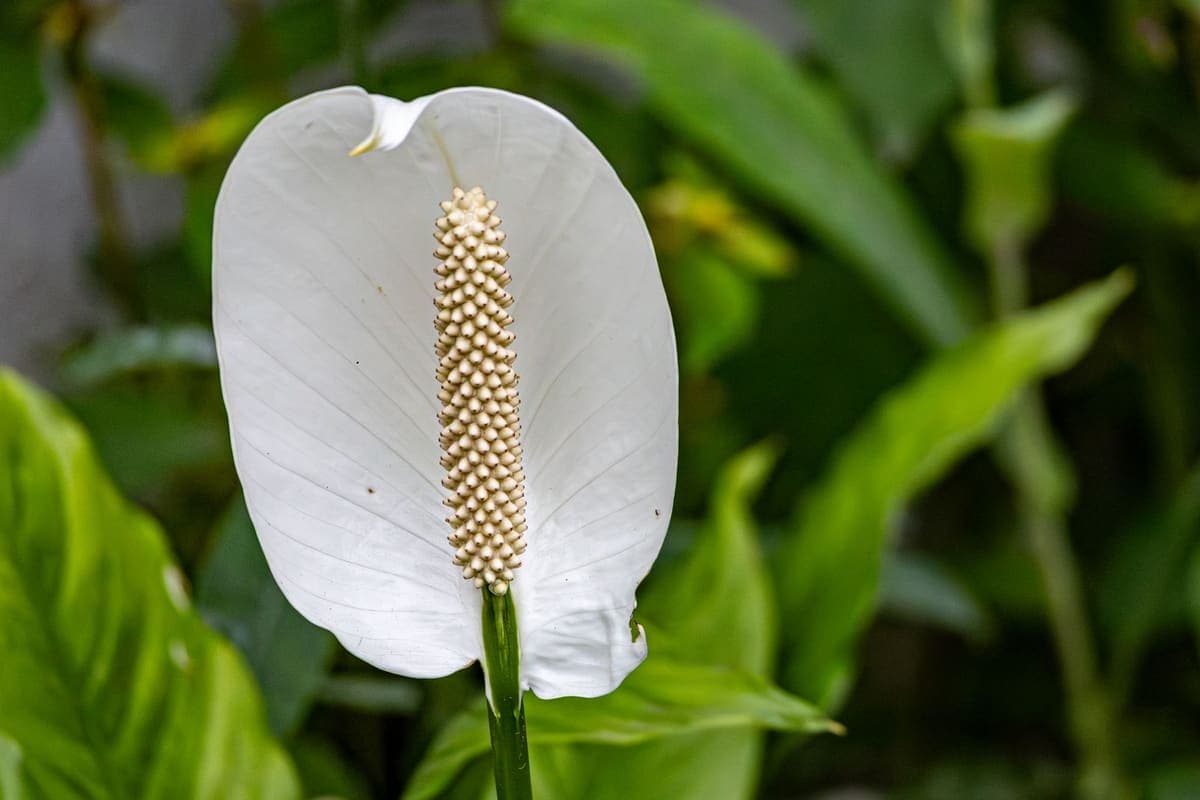
Guide
The plants a reservoir pot helps most, with the pots that suit them sized by root ball and computed by interval.
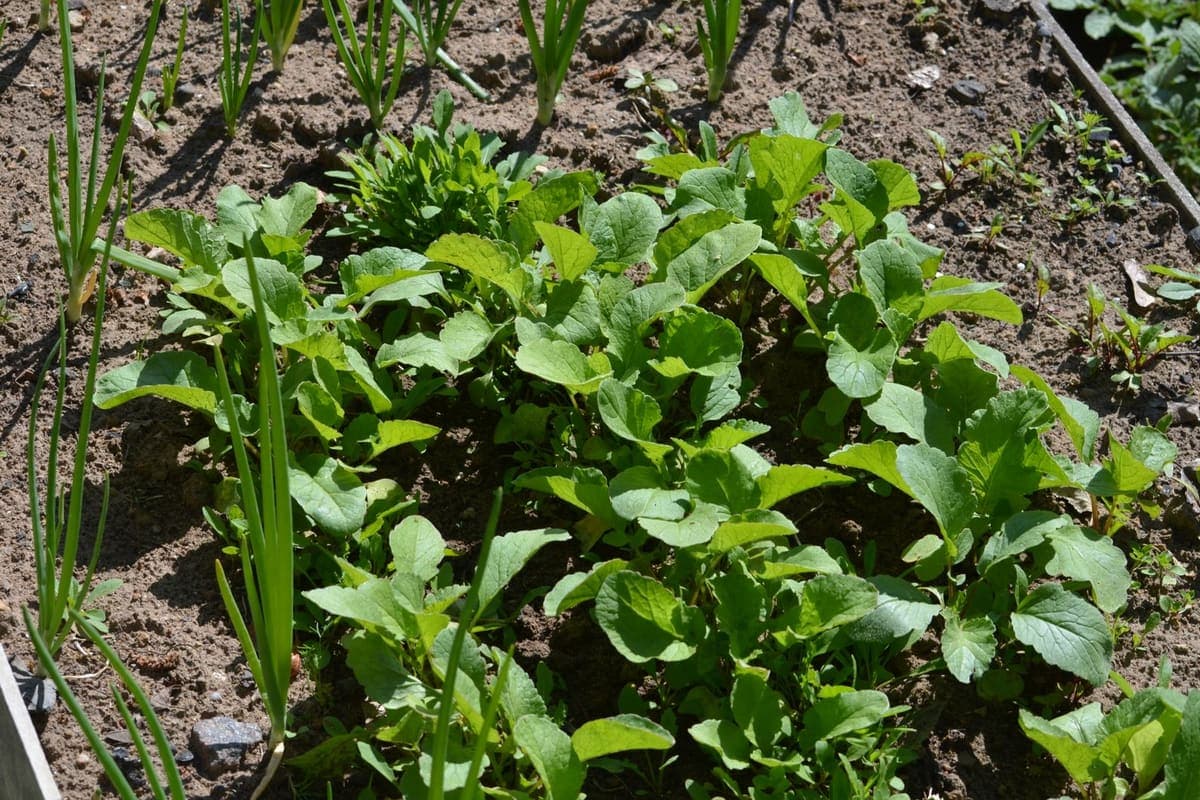
Roundup
Elevated reservoir beds ranked on published capacity and the reservoir-to-soil ratio, with the gap most makers leave.
Top pick - Best raised bed
Gardener's Supply Elevated Cedar Raised Bed, 2 ft x 8 ft Self-Watering
$479.99 at Amazon
$479.99 - View on Amazon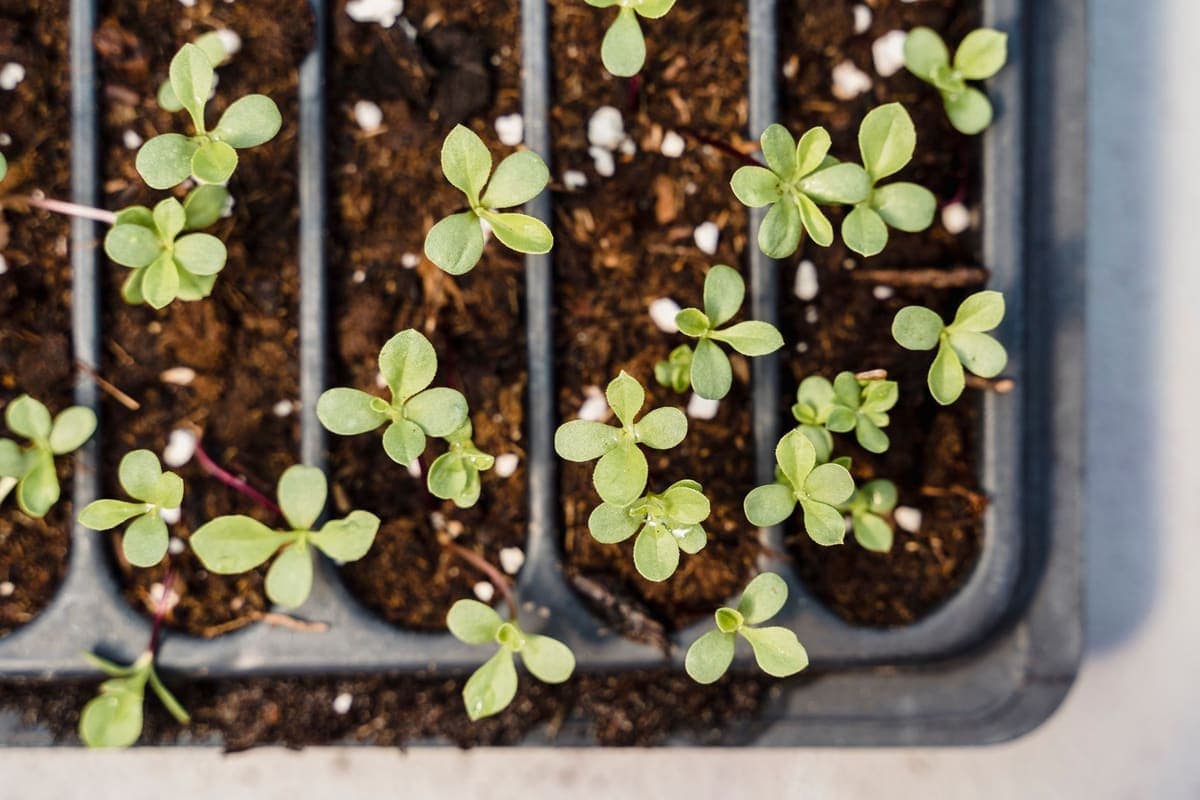
Roundup
Seed starter kits ranked on published cell size against extension guidance, reservoir capacity and light hours.
Top pick - Best seed starter tray
Gardener's Supply GrowEase Self-Watering Seed Starting Kit, 24-Cell
$29.99 at Amazon
$29.99 - View on Amazon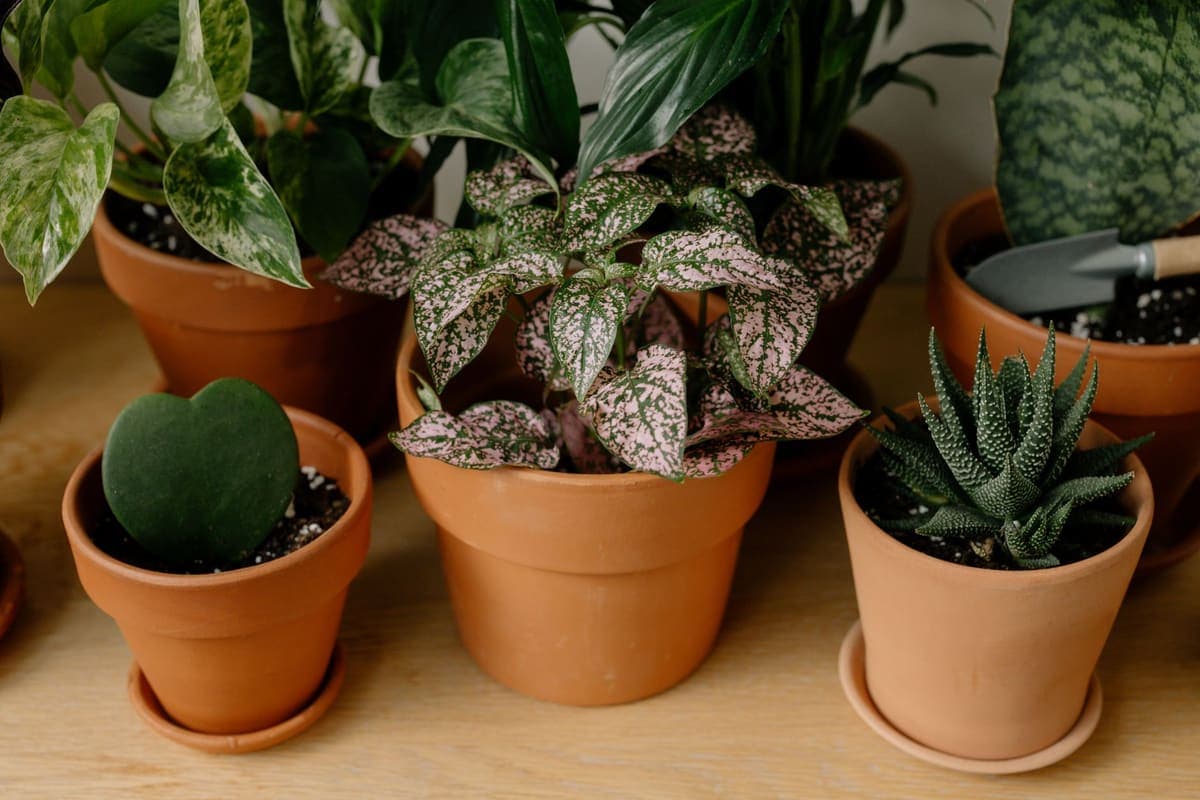
Roundup
Ceramic and terracotta self-watering pots ranked on visible water level, delivery mechanism and drainage, because nobody publishes capacity.
Top pick - Best ceramic pot
D'vine Dev Self-Watering Terracotta Planter Pot, 6 in, 2-Pack
$35.09 at Amazon
$35.09 - View on Amazon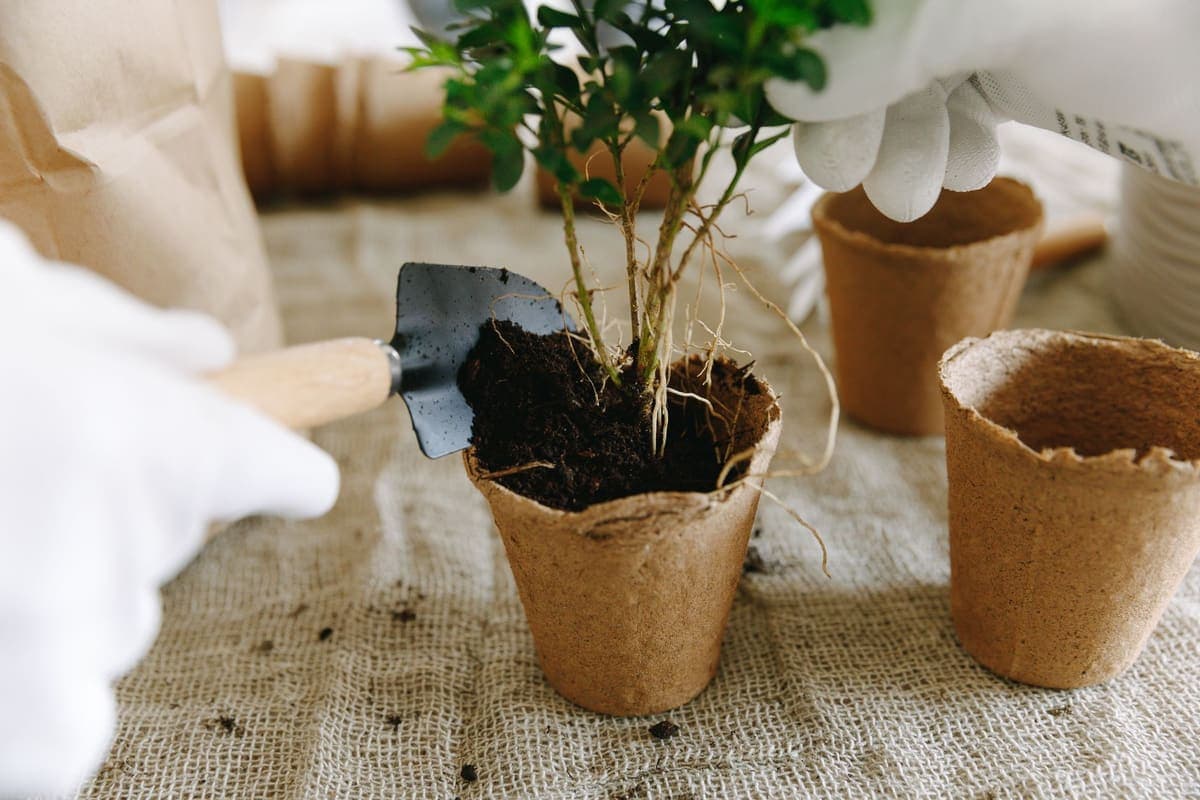
Roundup
Seed starting mixes ranked on published recipe, re-wetting behavior and volume per dollar, for trays that water from below.
Top pick - Best seed starting mix
Espoma Organic Seed Starter Mix, 16 qt
$19.40 at Amazon
$19.40 - View on Amazon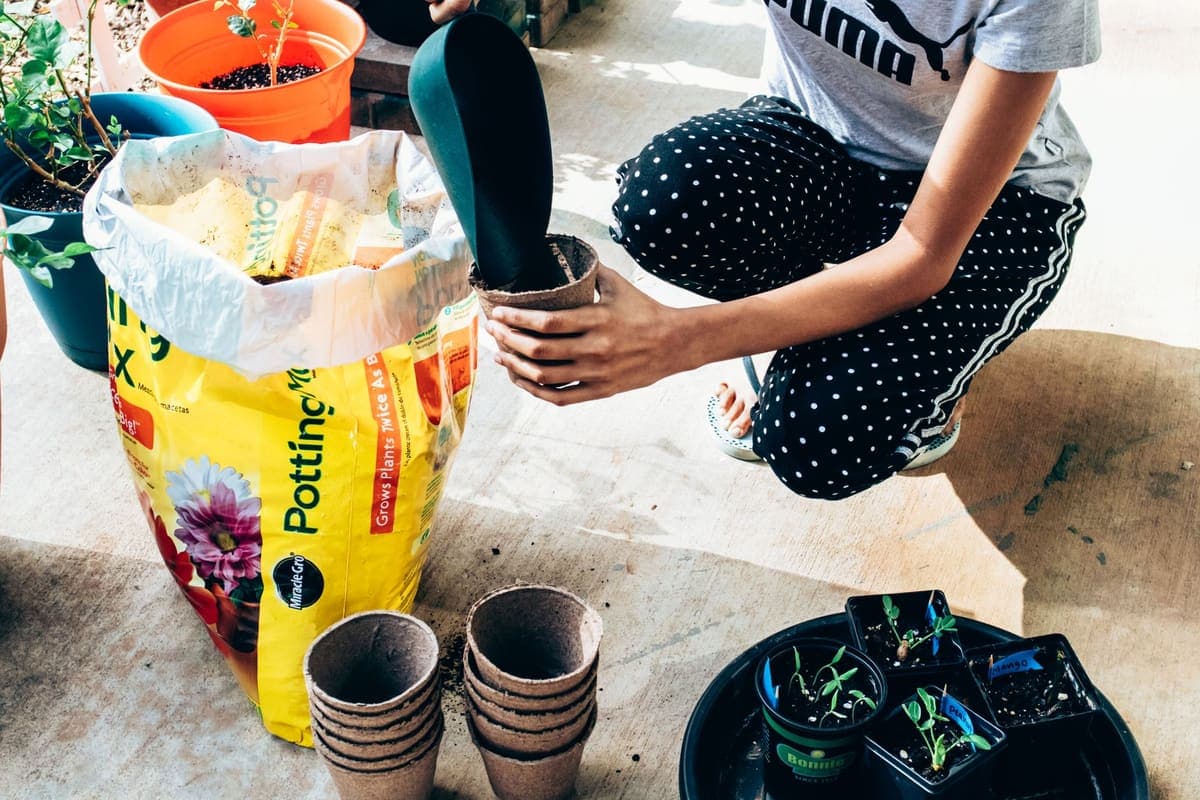
Roundup
Potting mixes and amendments ranked for sub-irrigation: what wicks, what compacts, and the moisture-control bag to keep away from a reservoir.
Top pick - Best mix for reservoir pots
Kempf Compressed Coco Coir Block, 10 lb
$21.95 at Amazon
$21.95 - View on Amazon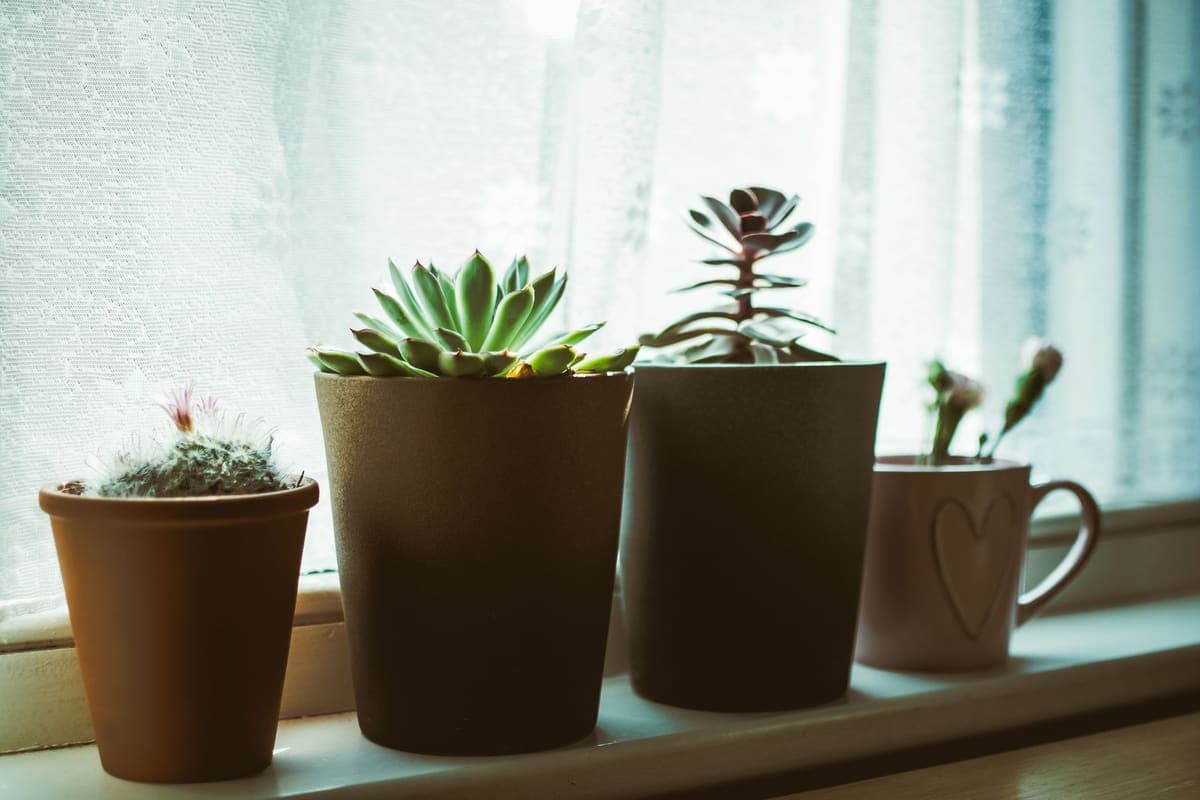
Roundup
Terracotta pots, shallow dishes and gritty mixes for succulents, with an honest answer on why reservoirs are the wrong tool here.
Top pick - Best succulent pot
NiSevenLiving 5-Inch Shallow Terracotta Pots, 6 Pack
$25.99 at Amazon
$25.99 - View on Amazon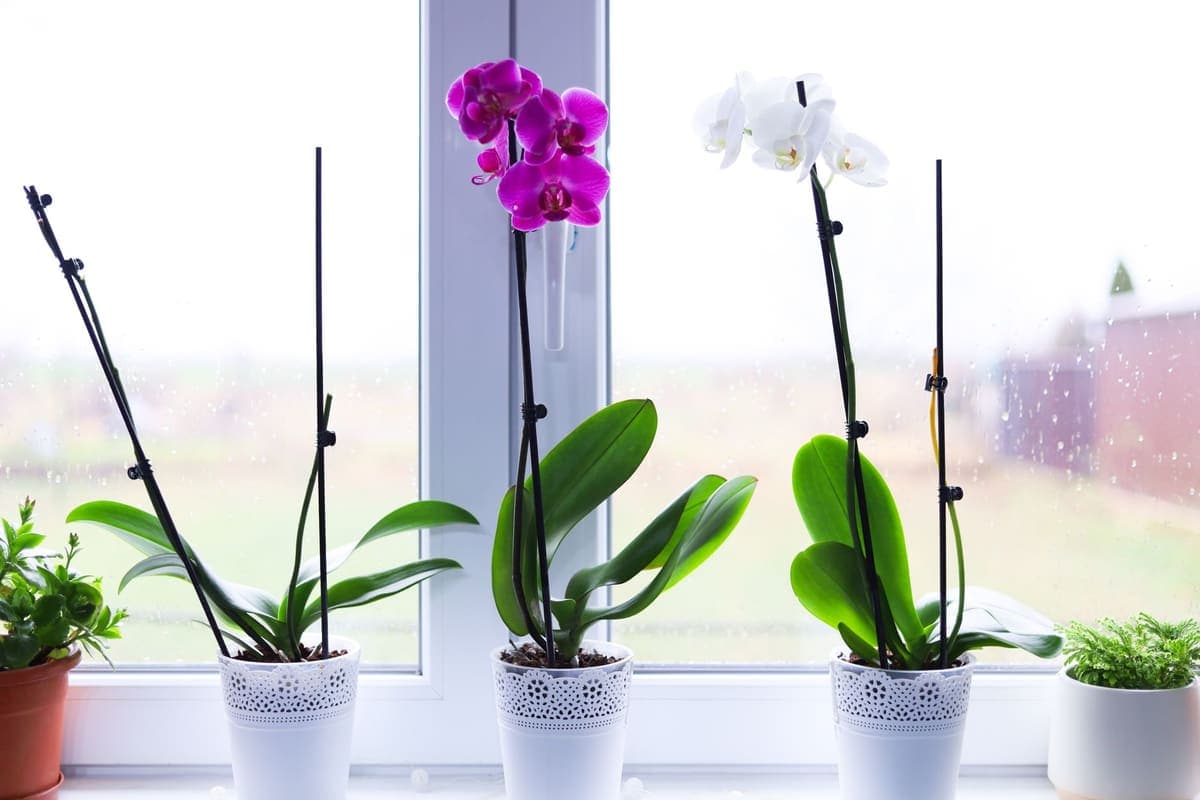
Roundup
Slotted orchid pots, bark mix and a ceramic option ranked on aeration, drainage and whether you can see the roots.
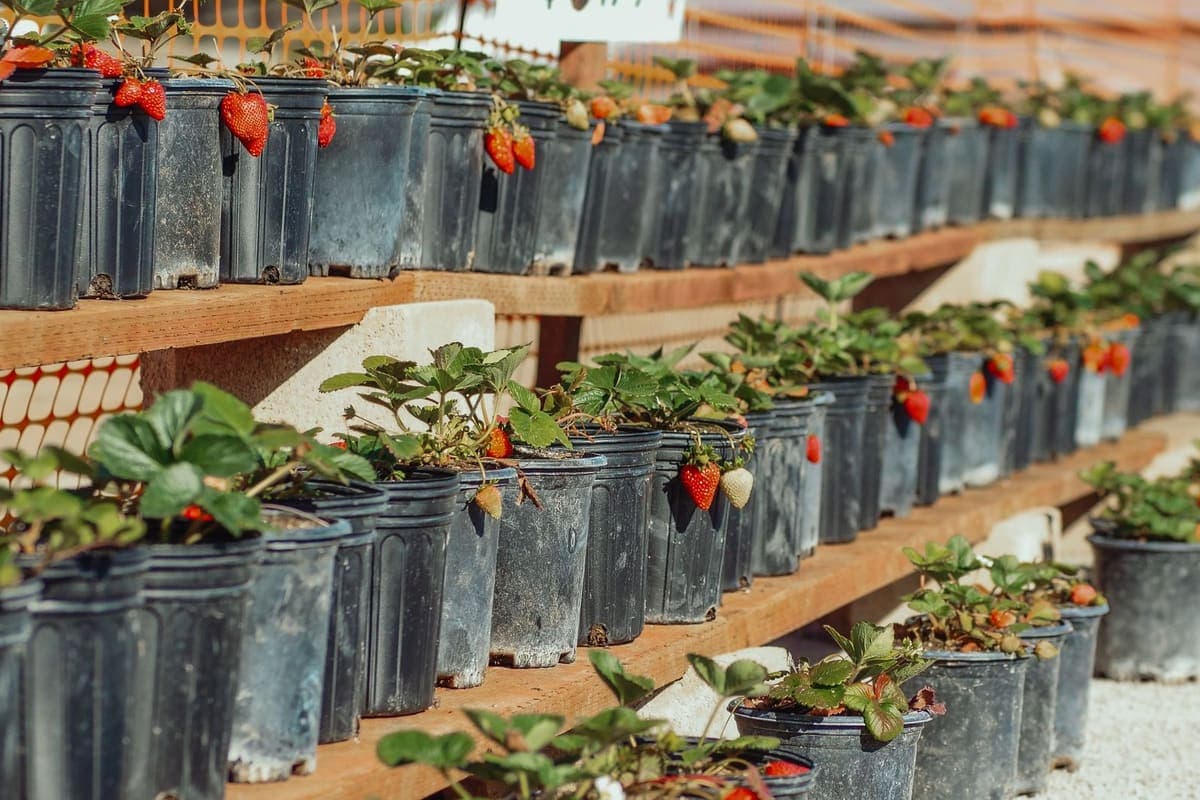
Roundup
Sub-irrigated boxes, an elevated planter, a vertical tower and a bucket insert, judged against the EarthBox's published 3 gallons under 2 cubic feet.
Top pick - Best EarthBox alternative
Emsco City Picker Raised Bed Grow Box
$33.78 at Amazon
$33.78 - View on Amazon
Roundup
Plastic grow pots ranked on published dimensions, drainage and tray fit, with the nominal-gallon problem worked through.
Top pick - Best nursery pots
CARPATHEN Square Nursery Pots, 3.5 in, 60 Pack
$17.87 at Amazon
$17.87 - View on Amazon
Roundup
Decorative pot covers and baskets ranked on published fit, liners and lift-out access, with the hidden-water problem explained.
Top pick - Best cache pot
Arcadia Garden Cover Pot, Fits 6 in Nursery Pot, 4 Pack
$17.20 at Amazon
$17.20 - View on AmazonThree things, in this order. First, whether the reservoir is engineered or incidental: a designed sub-irrigation system with a float gauge and a separate granulate layer costs several times what a molded shelf above a puddle costs, and it is not a scam - it is the difference between a controlled water column and a wet bottom. Second, material: frost-resistant polypropylene that survives a winter outdoors is genuinely more expensive than indoor-only resin. Third, brand and looks, which is where the rest of the money goes.
A useful way to sort the market: if the listing tells you the reservoir capacity, the manufacturer thinks of it as an engineered system and prices it accordingly. If it does not, you are buying a nice-looking pot with a shelf in it, and you should pay a nice-looking-pot price.
The mistake is buying a self-watering planter and then watering it from the top out of habit. A sub-irrigated planter is designed to be filled at the reservoir, and top-watering it defeats the air gap that keeps the roots from sitting in water. The result is the thing everybody is afraid of with these pots - root rot - and it is caused by the user, not the design. NC State Extension is direct about the mechanism: root rots are caused by fungal and fungus-like organisms that thrive in wet, poorly drained soil. A correctly used reservoir planter is not poorly drained. A double-watered one is.
The second most common mistake is skipping the initial soak. A brand-new planter with dry mix and a full reservoir does not wick, because capillary action needs a continuous column of moisture to start. Water thoroughly from the top once, let it drain, and only then start using the reservoir. After that, leave the top alone.
If you have one plant on a desk you keep killing, start with the indoor roundup. If you are not convinced these are worth the money, the honest answer to that question is a better first read than any roundup. If you already own pots you like, a conversion insert is usually cheaper than replacing them. And if the whole thing worries you because you have heard these pots cause root rot, we address that directly rather than dodging it.