Reference
Overwatered vs Underwatered: How to Tell
The symptom table, the four checks that separate them, and what to do for each.
My plant is dying right now
Overwatering and underwatering look almost identical from above the soil. Start here, work out which one you have, and then fix it.
Disclosure
We earn a commission if you buy through our links. It does not change what we recommend or what you pay. Full disclosure.
The short answer
This section sells nothing until after the advice, and that is deliberate. If your plant is dying right now you need steps, not a buy button. The products come at the end, once the plant is stable, and only where they genuinely prevent the next one.
Start with the diagnosis, because the two problems have opposite treatments and near-identical symptoms. Virginia Cooperative Extension lists wilting, leaf drop and stunted growth under both overwatering and underwatering. What separates them is what you find in the pot and on the roots, not what you see from across the room.
| What you see | Overwatered | Underwatered |
|---|---|---|
| Wilting | Yes | Yes |
| Leaf drop | Yes | Yes |
| Stunted growth | Yes | Yes |
| Leaf texture | Mushy leaves and stems | Dry, brittle leaves |
| Leaf color | Yellowing foliage | Brown tips and edges, curling |
| The soil | Wet, sometimes smells rotten | Shrunk away from the pot wall |
| The pot in your hand | Heavy | Noticeably light |
| Insects | Fungus gnats | None associated |
The bottom four rows are the useful ones. Mushy versus brittle, and heavy versus light, will tell you the answer in about ten seconds. If the mix has pulled away from the sides of the pot and the container feels light, the plant is dry. If the surface is damp, the pot is heavy and there are small flies around it, it is wet - and fungus gnats in particular are a wet-soil signal.
18 pages in this section
Roundups carry ranked picks with a live-price buy button on the top one. Comparisons and guides answer the question behind the purchase.
Reference
The symptom table, the four checks that separate them, and what to do for each.
Guide
The six-step rescue sequence, with sources, and prevention only after the plant is stable.
Guide
What root rot is, how to identify it, and the full mechanical treatment procedure.
Reference
Published cadence bands, the factors that shift them, and how to water properly.
Guide
How long to soak, how often, and the salt build-up that means you still need to top-water sometimes.
Guide
Every published overwatering symptom, in the order they typically appear.
Head to head
Three physical checks and the immediate action for each result. The emergency version.
Roundup
Plants ranked by published cadence band - the measurable version of hard to kill.
Top pick - Hardest to kill
Snake Plant (Dracaena trifasciata)
Live price not held right now - check it on Amazon
Check price on Amazon
Roundup
The plants with genuine internal water storage, how the storage works, and what it buys.
Top pick - Best built-in reservoir
ZZ Plant (Zamioculcas zamiifolia)
Live price not held right now - check it on Amazon
Check price on Amazon
Head to head
Two near-identical survivors compared on cadence, light, pets and failure mode.
Head to head
A five-dollar probe against a reservoir pot, decided by whether you overwater or forget.
Roundup
First plants ranked on whether they tell you when something is wrong, with the published watering band for each.
Top pick - Best first plant
Pothos (Epipremnum aureum)
Live price not held right now - check it on Amazon
Check price on Amazon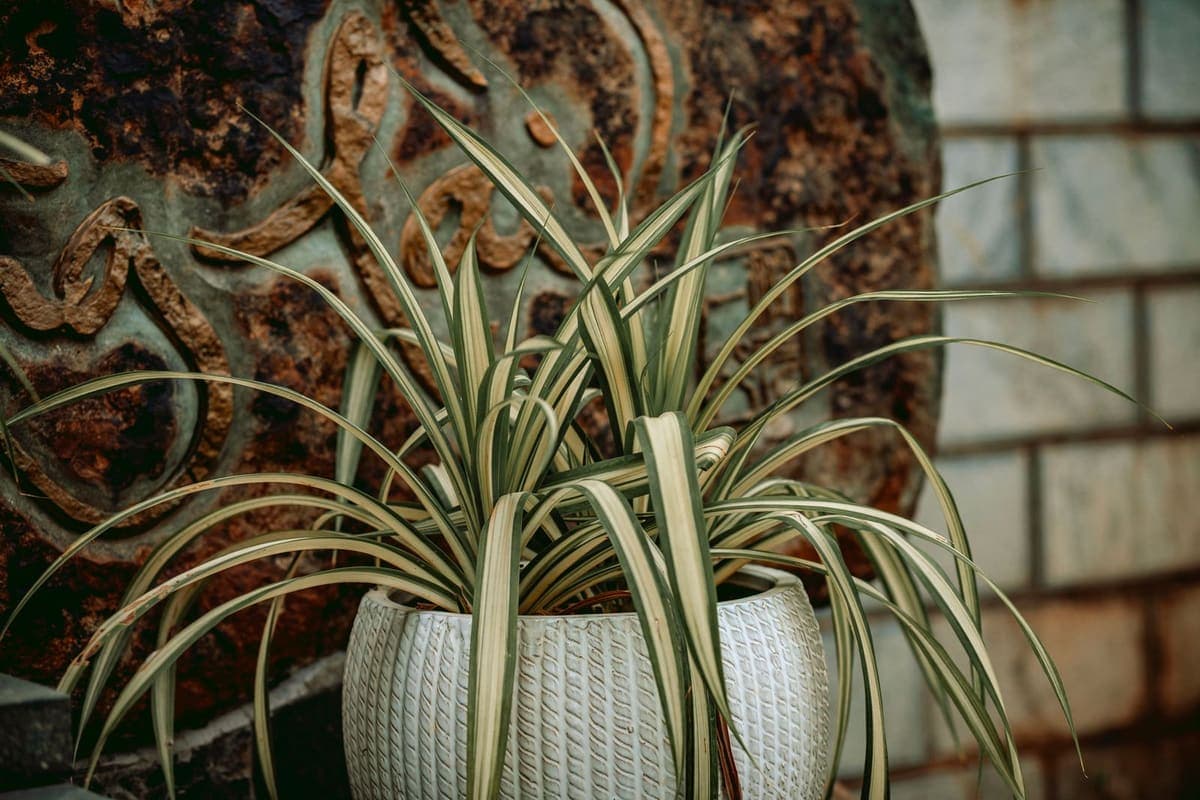
Head to head
Compared on published cadence, light, pet safety, feedback and failure mode, with the household each one suits.
Roundup
ASPCA non-toxic plants ranked on the published watering band, with the toxic usual suspects named.
Top pick - Best pet-safe survivor
Spider Plant (Chlorophytum comosum)
Live price not held right now - check it on Amazon
Check price on Amazon
Roundup
The four controls that work on fungus gnat larvae, ranked against UC IPM guidance, plus the free fix that beats all of them.
Roundup
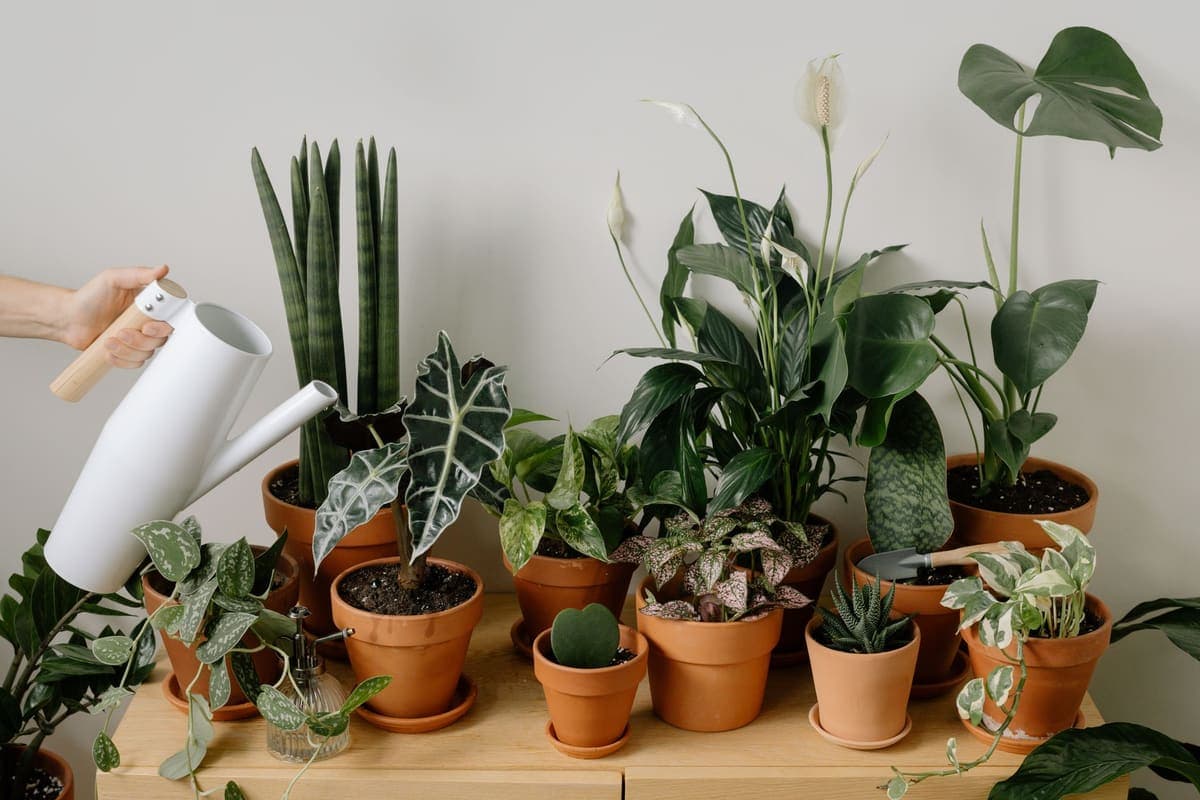
Watering cans ranked on published capacity, dosing precision and spout reach, with pots-per-fill worked out from our watering table.
Top pick - Best watering can
Fiskars 40 oz Indoor Watering Can
$11.04 at Amazon
$11.04 - View on Amazon
Roundup
Saucers and drip trays ranked on ridges, visibility and published inner diameter, with the standing-water mistake explained.
Top pick - Best plant saucer
SupKing Clear Plant Saucers, 9 Pack (6, 8, 10 in)
$12.49 at Amazon
$12.49 - View on Amazon
Roundup
Misters, pebble trays, hygrometers and a humidifier, ranked on what actually changes the humidity around a plant.
Top pick - Best humidity tool
Govee H5075 Bluetooth Hygrometer Thermometer
$12.99 at Amazon
$12.99 - View on AmazonIt is not a condition the plant develops from unhappiness. NC State Extension names the causes directly: root rots are caused by several fungal and fungus-like organisms such as Pythium, Phytophthora, Rhizoctonia and Fusarium, which thrive in wet, poorly drained soil and attack weakened plants. That is why the fix is never simply to water less - the pathogens are already present and the wet conditions are what let them win.
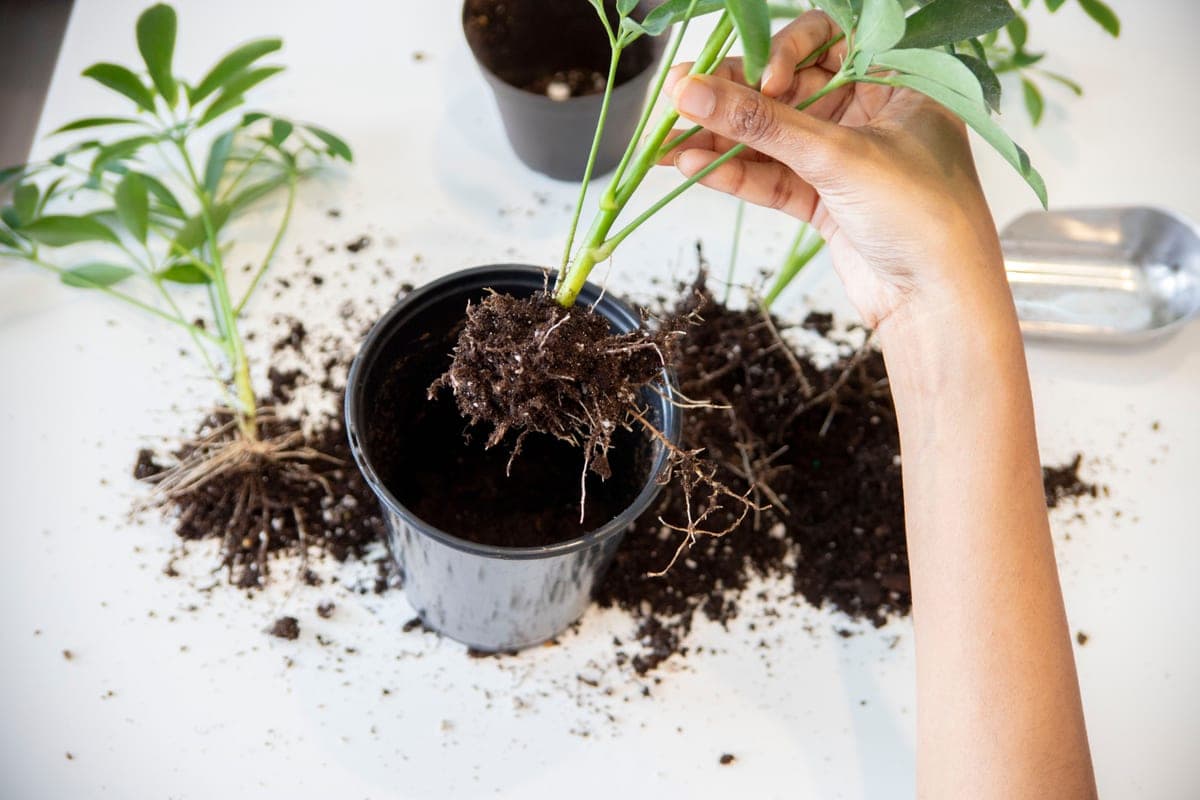
The identification is straightforward once you get the plant out of the pot. Healthy roots are firm, white and carry lots of thin feeder roots. Rotted roots are mushy and brown or reddish. NC State makes the point that matters most for people in this situation: inspect the root system and the moisture level before adding more water, because the instinct on seeing wilting lower leaves is to water, and that instinct is what finishes the plant.
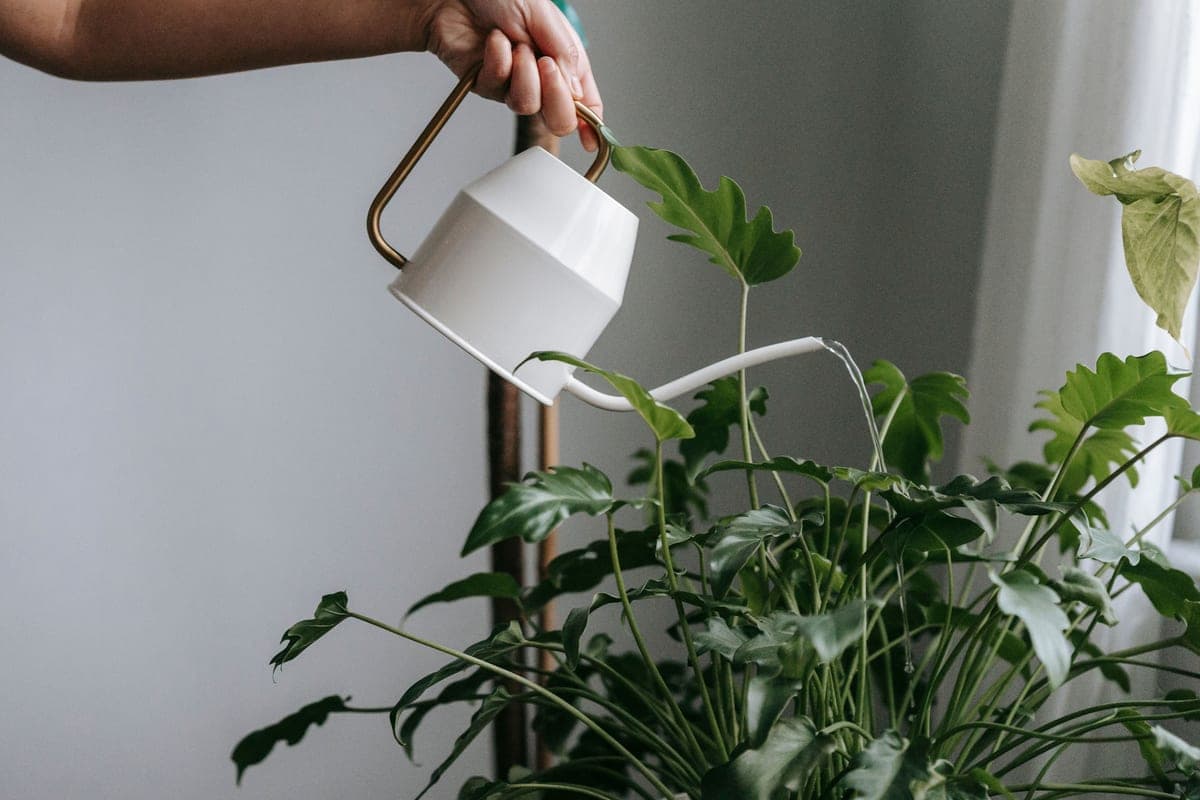
Water thoroughly, then stop. Water until the mix is wet all the way through and the container drains until it stops dripping. Little-and-often watering keeps the surface damp and the root zone dry at the same time, which is the worst of both.
Never let a pot stand in water for more than an hour. Virginia Cooperative Extension gives 60 minutes as the limit for a container sitting in a drainage tray. A saucer left full is not a reserve; it is the wet, poorly drained condition the rot organisms need.
Check before you water, every time. This is the habit that replaces the schedule. A finger two inches into the mix is enough for small pots. For deeper pots, a meter reaches where your finger cannot.
If you got here because you overwatered, the prevention that actually works is measurement, not willpower - so a moisture meter is the honest recommendation. If you got here because you forgot, the prevention is a reservoir, and a self-watering planter removes the need to remember at all. If the plant died while you were away, the vacation section is where to go.
And if you would rather change the plant than change the habit, that is a completely legitimate strategy: some plants have a published watering cadence four times wider than others, which means the interval you have to hit is four times more forgiving.