Roundup
LECA and Pon in Self-Watering Pots
A mineral substrate in a reservoir planter is the closest thing to a rot-proof pot. The cost is that every nutrient the plant gets now has to come from you, on schedule.
By Scooter M. - Enthusiast. Reads the manuals, compiles the specs, does the math. | Published
Disclosure
We earn a commission if you buy through our links. It does not change what we recommend or what you pay. Full disclosure.
The short answer
Why this is the right pot for it
Peat-based mixes have one failure mode in a reservoir planter, and it is structural rather than biological. Organic components decompose. As they do, the mix loses pore space and compacts, and a compacted column in a permanently moist pot holds more water and less air than the plant wants. That is the slow version of the problem our root-rot page describes.
Mineral grains do not do that. Fired clay, pumice, zeolite and lava do not decompose and do not collapse, so the air-to-water ratio you plant into is roughly the ratio you still have in three years. In a pot you are not going to repot often, that stability is worth something real.
NC State Extension makes the general point about containers: the potting soil used to grow container plants is really not soil at all, and field soils are not used because they retain too much water and have too little pore space. A mineral substrate is that logic followed to its end.
The trade, stated plainly
This site exists for people who kill plants by forgetting them. So here is the honest version of what a soil-free reservoir pot asks of you.
What you gain. No decomposition, no compaction, a visible water level if the inner pot is clear, roots that are easy to inspect, and a substrate you can rinse and reuse rather than replace. Materially less risk of the soggy-column rot that kills plants in reservoir pots.
What you give up. Expanded clay is inert. It contains no nutrients and holds very few by itself, which means every nutrient the plant receives comes from your fertilizer, every time. Miss a few feeds in a peat mix and the mix carries the plant for a while. Miss a few feeds in plain LECA and there is nothing to fall back on.
How we judged these
Is it designed for sub-irrigation? A bag of hydroponics pebbles and a substrate engineered for reservoir planters are not the same product even when the mineral is similar. Grain size and the proportion of fine material decide how high water wicks, which in a reservoir pot is the whole mechanism.
Does it carry nutrition, and do you want it to? This cuts both ways and is not a simple ranking. Pre-fertilized means a soil-free pot is not instantly a feeding problem. Fertilizer-free means you control the dose, which matters in a container you cannot flush on demand.
What is actually published? The usual test on this site. Volume in liters beats weight in pounds, because you are filling a pot rather than lifting one. A published composition beats “premium grow media”.
Cost per liter. Filling a floor planter takes more substrate than people expect, and this category has a wide spread.
| Product | Composition published | Volume | Fertilizer | pH published |
|---|---|---|---|---|
| LECHUZA PON | Zeolite, washed pumice, lava | 6 L (also 12 and 18 L) | Yes, coated - duration unclear | No |
| LECHUZA BASICPON | Peat-free mineral, no breakdown given | 1.4 US dry gal | None, by design | No |
| Mother Earth Hydroton | Expanded clay, made in Germany | 10 L | None - inert | No |
| PGN clay pebbles | Expanded clay (LECA) | 10 L at 4 lb | None - inert | No |
LECA and Pon are not the same thing
They get used interchangeably and they behave differently, which matters because the choice changes how you water and feed.
LECA is lightweight expanded clay aggregate: clay fired until it puffs into porous pebbles, typically 4 to 16 mm. The pebbles are large, so the gaps between them are large, so a LECA column holds a lot of air and wicks water a relatively short distance up. It is inert and chemically does nothing.
Pon-type substrates are blends of smaller mineral grains - zeolite, pumice and lava in LECHUZA’s case. The smaller, more varied grain size means finer pore spaces, which wick water higher than coarse LECA will. Zeolite also has genuine cation-exchange capacity, meaning it holds nutrient ions rather than letting them wash straight past, which is the one chemical difference that matters.
For a reservoir planter that distinction favours a Pon-type blend: better capillary rise from the water level up into the root zone, and some nutrient-holding capacity. For a drainage layer at the bottom of a big planter, or for a plant you want maximum air around, coarse LECA is the better material.
The figure LECHUZA does not publish
PON ships with a coated fertilizer in it, which is the main reason to choose it over plain clay. How long that fertilizer lasts is published as six months on some retail listings and twelve months on others, and we could not reach a LECHUZA product page to settle it - the manufacturer’s own URLs returned errors when we checked.
So we are not going to tell you which it is. What we will say is how to act without the number: treat the included fertilizer as a head start rather than a schedule, and begin feeding a diluted complete liquid a few months in, watching the plant rather than the calendar. New growth that comes in paler or smaller than the leaf below it is the signal.
This is the same honesty problem that runs through the whole category. The ceramic self-watering pots mostly publish no reservoir capacity. Most olla makers publish no capacity either. A fertilizer duration published as both 6 and 12 months is the substrate version of the same gap.
Feeding a soil-free reservoir pot
This is the part people underestimate, so it gets its own section.
In plain LECA, the substrate contributes nothing. Your fertilizer is the entire nutrient supply, which means it needs to be a complete one - not just nitrogen, phosphorus and potassium, but calcium, magnesium and the micronutrients too. A basic NPK feed in an inert substrate produces deficiencies that look like disease.
That is the argument for a feed that publishes its full analysis, and it is the same argument that our fertilizer page makes for reservoir pots generally - except that in an inert substrate it stops being a refinement and becomes the requirement.
The other half is salt. Fertilizer is salt, and a reservoir pot does not flush itself. UMD Extension’s leaching instruction - at least twice the volume of the pot, every four to six months - applies at least as much to a mineral substrate as to a peat one. The good news is that rinsing LECA is easy and it comes out clean, which is more than you can say for flushing a compacted peat column.
Moving a plant from soil into LECA
Worth knowing what you are committing to, because this is not a potting-on.
Every trace of old mix has to come off the roots, which means rinsing them clean. Roots grown in soil are structurally different from roots grown in water-and-air, so the plant typically sheds some of them and grows replacements, and it will look unhappy for weeks while it does. Plants with fine, dense root systems take this worse than plants with thick roots.
A healthy plant in a mix it is doing fine in is not a candidate. The good candidates are a plant you are repotting anyway, a cutting you are rooting from the start, or a plant you have just rescued from an overwatered pot and already have bare-rooted in your hands. That last case is the genuinely strong one: if rot took the plant once, an inert substrate removes the decomposing organic matter that made the pot hospitable to it.
Rinsing and reusing it
Two practical points the cheap bags tend not to mention.
Rinse before first use, every time. Expanded clay arrives with fired clay dust in the bag, and that dust is fine enough to migrate down and settle into the bottom of a planter where it defeats the drainage you bought the pebbles for. Rinse until the water runs clear. Soaking first also matters: dry pebbles will pull water out of the reservoir to saturate themselves before any of it reaches a root.
Then keep it. This is the one genuine economic argument for the expensive bags. A peat mix is spent after a couple of years - it has decomposed, which is the whole problem. Fired clay and mineral grains come out of a repotting exactly as serviceable as they went in. Rinse, and they are ready for the next plant.
Over three or four repottings that closes most of the price gap against bagged mix. It is also why the published volume matters more than the published weight: you are buying a durable asset by the liter, not a consumable by the pound.
Which plants suit it
Aroids take to a mineral substrate best - monstera, philodendron, pothos, anthurium and most thick-rooted tropicals. Their roots want air and they tolerate a visible water table.
Plants that do not suit it are the ones that do not suit reservoir pots generally. Succulents and cacti want a drying cycle that a standing water level does not provide, which is the argument our succulent pot page makes at length. Orchids are a special case: a bark mix is the conventional default and the orchid page explains why, though inert media are genuinely used for them by growers who feed precisely.
Fine-rooted plants like calathea and maidenhair fern are the ones to be most cautious with, both because the transition is hardest on them and because they are least forgiving of a feeding gap.
What we would buy
A Lechuza-style reservoir planter you want to go soil-free in: PON. It is made for the pot, it wicks properly, and the included feed covers the first stretch even if nobody will tell you how long that is.
You already have a complete liquid feed and a routine: BASICPON, or Hydroton if you want coarse clay. Controlling the dose yourself is worth more than a head start you cannot date.
Filling something large: the PGN pebbles. Cheapest per liter, and the published volume-and-weight pairing is the only one here you can price-check honestly.
You just want the plant to live and you are not a hobbyist: none of these. Buy a reservoir planter that publishes its capacity and fill it with a mix suited to it. That is the lower-effort path and we would rather say so than sell you a bag.
Ranked picks
Quick picks
Ranked on published specifications and the computed refill interval, not on looks. Tap any row for the full write-up, including who should skip it.
| # | Product | Best for | Score | Price |
|---|---|---|---|---|
| 1 | 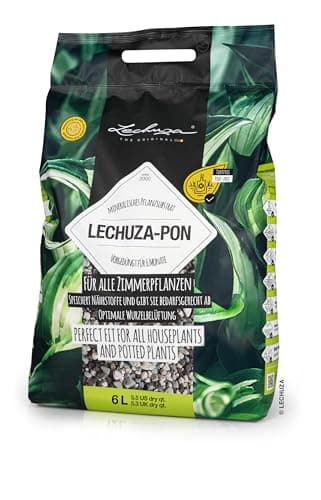 LECHUZA PON Mineral Plant Substrate, 6 LiterRepotting a Lechuza-style reservoir planter without soil | Best overall, made for reservoir pots | 8.1 | $41.99 - View on Amazon |
| 2 | 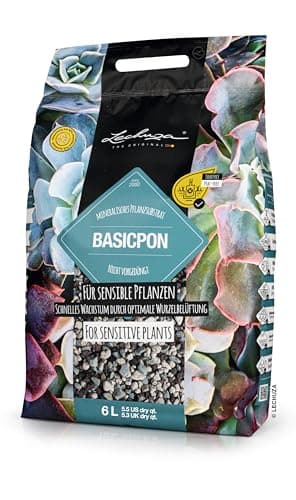 LECHUZA BASICPON Fertilizer-Free Mineral Substrate, 1.4 US dry galA soil-free reservoir pot where you want to control the feed | Best if you want to control the feed | 7.9 | $37.99 - View on Amazon |
| 3 | 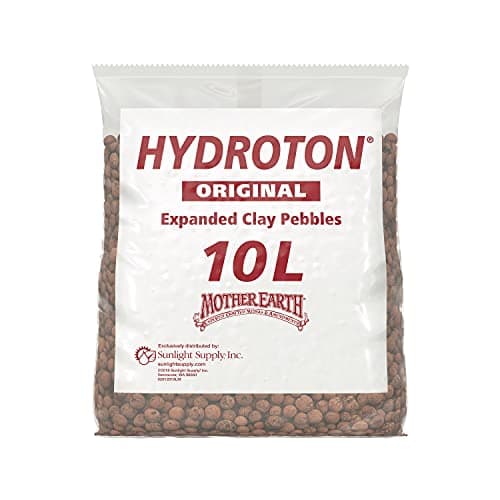 Mother Earth Hydroton Original Expanded Clay Pebbles, 10 LiterA soil-free reservoir pot, or a drainage layer that will not rot | Best pure LECA, published origin | 8.0 | $25.75 - View on Amazon |
| 4 | 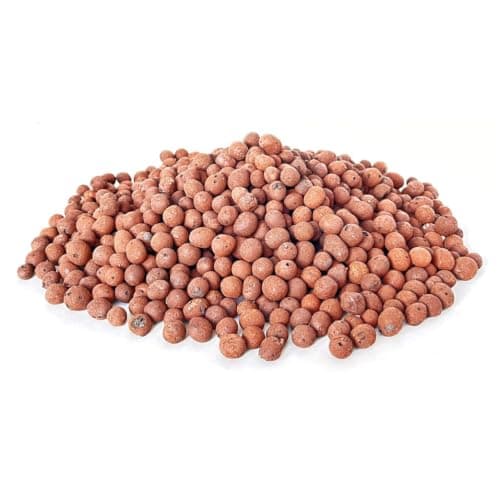 PGN Clay Pebbles LECA, 10 Liters (4 lb)Filling a large planter with LECA without paying a premium | Cheapest per liter, publishes volume and weight | 7.8 | $19.90 - View on Amazon |
Scores are our editorial judgment from published specifications. They are not test results, and they are deliberately not marked up as ratings in this page’s structured data.
Pick #1 - Best overall, made for reservoir pots
LECHUZA PON Mineral Plant Substrate, 6 Liter
Repotting a Lechuza-style reservoir planter without soil
The substrate designed by a self-watering planter maker for its own self-watering planters, which makes it the most coherent answer in this category. It is a mineral blend - zeolite, washed pumice and lava - with a coated fertilizer mixed in, so it addresses both halves of the soil-free problem at once. The one figure we could not confirm is how long that fertilizer lasts, and that is Lechuza's own fault.
#ad Price as of October 29, 2026, from Amazon. Prices change. How we make money.
Published specification
- Composition
- Zeolite, washed pumice and lava rock with a coated fertilizer
- Volume
- 6 L bag; 12 L and 18 L bags also sold
- Fertilizer duration
- Published inconsistently - some listings state up to 6 months, others up to 12. LECHUZA's own product pages were unreachable at the time of writing, so no manufacturer figure is confirmed here
- Iron source claimed
- Lava rock, described on listings as a long-term iron supply
- pH
- Not published by the manufacturer
- Structural behavior
- Mineral grains do not decompose or compact the way a peat mix does, which is the stated reason for using it
- Composition: Composition as published consistently across retail listings
- Volume: Published product title, via retail listing
- Fertilizer duration: Conflicting retail listings; no manufacturer figure obtainable
- Iron source claimed: Published product descriptions, via retail listings
- pH: No pH figure stated on the listings checked
- Structural behavior: Published product descriptions, via retail listings
What is good about it
- Made by a reservoir-planter manufacturer for reservoir planters, so the use case is the design case
- Mineral grains do not collapse over time, which is the failure mode of peat in a permanently moist column
- Fertilizer is already in it, so a soil-free pot is not instantly a feeding problem
- Zeolite has real cation-exchange capacity, so it holds nutrients rather than letting them wash straight through
What is not
- The fertilizer duration is published as 6 months on some listings and 12 on others, and we could not reach a manufacturer page to settle it
- No published pH, which for a mineral substrate is a figure that would be useful
- Several times the price per liter of a bag of potting mix
- Pre-fertilized means you cannot control the feed from day one, which is the opposite of what some growers want
Skip this one if
Skip it if you want to control feeding yourself from the start - BASICPON is the same idea without the fertilizer - or if the plant is happy in the mix it is in. Repotting into a mineral substrate is a root disturbance, not a free upgrade.
How it scored
- Suits a reservoir pot
- 10.0
- Published specification
- 5.0
- Structural stability
- 10.0
- Feeding control
- 5.0
- Value for money
- 5.5
- Overall
- 8.1 / 10
Our editorial score, from published specifications and computed intervals. Not a test result. Specification source: LECHUZA PON 6 L retail listing.
Pick #2 - Best if you want to control the feed
LECHUZA BASICPON Fertilizer-Free Mineral Substrate, 1.4 US dry gal
A soil-free reservoir pot where you want to control the feed
PON without the fertilizer, which is the version to buy if you intend to feed deliberately. In a sub-irrigated pot that is a real argument rather than a preference: a pre-fertilized substrate decides your nutrient dose for you in the one container where you cannot easily flush a mistake out.
#ad Price as of October 29, 2026, from Amazon. Prices change. How we make money.
Published specification
- Composition
- Peat-free mineral substrate
- Fertilizer content
- None - sold explicitly as fertilizer-free
- Volume
- 1.4 US dry gallons
- Grain composition detail
- Not published to the same level of detail as PON
- pH
- Not published by the manufacturer
- Composition: Published product title and description, via retail listing
- Fertilizer content: Published product title, via retail listing
- Volume: Published product title, via retail listing
- Grain composition detail: No component breakdown stated on the retail listing
- pH: No pH figure stated on the listing
What is good about it
- Fertilizer-free, so the feeding decision stays yours in a pot you cannot flush easily
- Peat-free, which matters to anyone avoiding peat on principle
- Mineral structure, so no decomposition or compaction in a permanently moist column
- Pairs directly with a liquid feed you can dilute as you like
What is not
- Requires you to feed from day one - a mineral substrate supplies nothing on its own
- Component breakdown is not published the way PON's is
- No published pH
- Sold in dry gallons rather than liters, which makes comparing it to PON awkward
Skip this one if
Skip it if you would rather not think about fertilizer at all. PON with its coated feed is the honest choice for that, even with the duration unclear.
How it scored
- Suits a reservoir pot
- 9.5
- Published specification
- 4.0
- Structural stability
- 10.0
- Feeding control
- 10.0
- Value for money
- 5.0
- Overall
- 7.9 / 10
Our editorial score, from published specifications and computed intervals. Not a test result. Specification source: LECHUZA BASICPON retail listing.
Pick #3 - Best pure LECA, published origin
Mother Earth Hydroton Original Expanded Clay Pebbles, 10 Liter
A soil-free reservoir pot, or a drainage layer that will not rot
The reference expanded clay, and the one to buy if you want LECA rather than a pon-style blend. Fired clay is inert, pH-neutral, reusable and will not break down, which is exactly what you want at the bottom of a permanently wet column. What it supplies nutritionally is nothing at all, and that is the whole catch.
#ad Price as of October 29, 2026, from Amazon. Prices change. How we make money.
Published specification
- Material
- Expanded clay aggregate, fired
- Volume
- 10 L
- Origin
- Published as made in Germany
- Nutrient content
- None - expanded clay is inert
- Reusable
- Yes - published as reusable after rinsing
- Pebble size range
- Not published for this listing
- Material: Published product title and description, via retail listing
- Volume: Published product title, via retail listing
- Origin: Published product title, via retail listing
- Nutrient content: Inherent to the material; no nutrient claim is made
- Reusable: Published product description, via retail listing
- Pebble size range: No size range stated on this listing
What is good about it
- Inert and pH-neutral, so it adds nothing you then have to correct for
- Will not decompose or compact, unlike every organic component of a potting mix
- Reusable across repottings, which no bag of mix is
- Published volume in liters, so cost per liter is actually comparable
What is not
- Supplies zero nutrition, so every nutrient the plant gets has to come from you
- Needs soaking and rinsing before first use, which the cheap bags do not always say
- Holds far less water than a peat mix, so the reservoir does more of the work
- No published pebble size range on this listing, and size affects how it wicks
Skip this one if
Skip it if you are not prepared to feed every watering. An inert substrate turns a forgiving pot into one that depends entirely on your fertilizer routine, which for a self-confessed plant-killer is a step backwards.
How it scored
- Suits a reservoir pot
- 8.5
- Published specification
- 6.0
- Structural stability
- 10.0
- Feeding control
- 10.0
- Value for money
- 7.0
- Overall
- 8.0 / 10
Our editorial score, from published specifications and computed intervals. Not a test result. Specification source: Mother Earth Hydroton 10 L retail listing.
Pick #4 - Cheapest per liter, publishes volume and weight
PGN Clay Pebbles LECA, 10 Liters (4 lb)
Filling a large planter with LECA without paying a premium
The cheapest liter of expanded clay here, and the only listing in this category that publishes both a volume and a weight - 10 liters at 4 pounds. That pairing is more useful than it looks: it is the figure that lets you check you are being sold volume rather than water, because most competitors list only pounds and leave you to guess the liters.
#ad Price as of October 29, 2026, from Amazon. Prices change. How we make money.
Published specification
- Material
- Expanded clay pebbles (LECA)
- Volume and weight
- 10 L at 4 lb - both published
- Nutrient content
- None - expanded clay is inert
- Intended use
- Hydroponics and plants
- Pebble size range
- Not published for this listing
- pH
- Not published by the manufacturer
- Material: Published product title, via retail listing
- Volume and weight: Published product title, via retail listing
- Nutrient content: Inherent to the material; no nutrient claim is made
- Intended use: Published product title, via retail listing
- Pebble size range: No size range stated on this listing
- pH: No pH figure stated on the listing
What is good about it
- Publishes volume and weight together, which makes it the only listing here you can price-check properly
- Cheapest per liter of the clay options
- Inert and reusable, same as any fired clay
- Ten liters fills a sizeable floor planter, which the 2 lb novelty bags do not
What is not
- No published pebble size range, and size changes how high water wicks
- No published pH, though fired clay is conventionally near-neutral
- Supplies no nutrition at all, like all LECA
- Dust in the bag means rinsing before use is not optional
Skip this one if
Skip it if you want a named reference product with a published origin. The Hydroton bag states where it is made and this one does not, and for a substrate you intend to reuse for years that traceability is worth something.
How it scored
- Suits a reservoir pot
- 8.5
- Published specification
- 6.5
- Structural stability
- 10.0
- Feeding control
- 10.0
- Value for money
- 9.5
- Overall
- 7.8 / 10
Our editorial score, from published specifications and computed intervals. Not a test result. Specification source: PGN clay pebbles 10 L retail listing.
Questions people actually ask
- Can you use LECA in a self-watering pot?
Yes, and a sub-irrigated planter is arguably the container LECA suits best - the standing water level is the mechanism rather than a hazard, and mineral grains never compact the way a peat mix does. The catch is nutritional: expanded clay is inert, so your fertilizer becomes the plant’s entire nutrient supply and has to be a complete one.
- What is the difference between LECA and Pon?
LECA is one material - expanded clay pebbles, typically 4 to 16 mm, large grains with large air gaps and relatively short capillary rise. Pon-type substrates are blends of smaller mineral grains; LECHUZA PON is published as zeolite, washed pumice and lava. The finer, mixed grain size wicks water higher, and the zeolite holds nutrient ions rather than letting them pass straight through. For a reservoir pot the blend is usually the better choice.
- Do you need fertilizer with LECA?
Always, and a complete one. Expanded clay contributes no nutrients at all, so nitrogen, phosphorus, potassium, calcium, magnesium and the micronutrients all have to come from the bottle. A basic NPK-only feed in an inert substrate causes deficiencies that get mistaken for disease. LECHUZA PON includes a coated fertilizer as a head start; plain LECA includes nothing.
- How long does the fertilizer in LECHUZA PON last?
We cannot tell you honestly. Retail listings publish it as up to 6 months on some pages and up to 12 on others, and LECHUZA’s own product pages were unreachable when we checked, so there is no manufacturer figure to cite. Treat it as a head start rather than a schedule: start feeding a diluted complete liquid a few months in, and watch for new growth coming in paler or smaller than the leaf below it.
- Is LECA better than soil for preventing root rot?
It removes one of the contributing conditions rather than the risk itself. Rot in a reservoir pot is driven by a waterlogged, airless root zone, and a mineral substrate holds more air and does not decompose into a compacted mass. But a plant sitting with its roots permanently submerged in stagnant water will still fail. The water level still has to run down between refills.
- Can you mix LECA with soil?
You can, and in a reservoir pot it is a reasonable middle route - clay pebbles added to a peat mix open up the pore space and slow the compaction. What it is not is semi-hydroponics: the organic fraction still decomposes, so you keep the maintenance of a soil mix. If opening up a heavy mix is the goal, perlite or pumice does the same job for less, which is what the potting mix page recommends.
Sources
Sources
- LECHUZA PON 6 L published composition, via retail listing
- LECHUZA BASICPON fertilizer-free mineral substrate retail listing
- Mother Earth Hydroton Original clay pebbles 10 L retail listing
- PGN clay pebbles LECA 10 L retail listing
- Plants Grown in Containers, NC State Extension Gardener Handbook chapter 18
- Fertilizer Toxicity or High Soluble Salts in Indoor Plants, University of Maryland Extension