Head to head
Moisture Meter or Self-Watering Pot?
They solve different halves of the same problem, and buying the wrong half is why some people fix nothing at all.
By Scooter M. - Enthusiast. Reads the manuals, compiles the specs, does the math. | Published
Disclosure
We earn a commission if you buy through our links. It does not change what we recommend or what you pay. Full disclosure.
The short answer
First, work out which kind of plant killer you are
These devices are not competitors. They address different failures, and the diagnosis is the whole decision.
The overwaterer attends to plants constantly. Waters on a schedule, or whenever the surface looks dry, or whenever a plant looks a bit sad - and a bit sad is, confusingly, the first symptom of too much water rather than too little. Their plants die soft, yellow and smelly, usually with fungus gnats. NC State Extension describes the trap directly: people misinterpret wilting lower leaves as insufficient water and add more.
The forgetter does not think about plants for three weeks and then remembers all at once. Their plants die crisp, from the tips inward, and generally recover if caught.
If you are not sure which you are, the symptom-by-symptom diagnostic will tell you, and it is worth reading before you spend anything at all.
What each device actually does
| Moisture meter | Self-watering pot | |
|---|---|---|
| What it changes | Your information - it tells you what the root zone is doing | Your behavior - it removes the decision from you |
| Fixes | Watering on a schedule instead of on a reading | Long gaps between waterings |
| Does not fix | Not being there to check | Bad judgment about how much to add |
| Cost bracket | The cheapest thing on this site | A pot, or an insert for a pot you own |
| Works on | Every plant you own, at once | One plant, the one it is planted in |
| Wrong for | Very small pots, where a finger reaches the root zone | Succulents, snake plants, ZZ plants, orchids in bark |
Why the meter is the better first purchase for most people
Two reasons, and neither is about the device being clever.
It applies to everything you own. One probe covers twenty pots. A reservoir pot covers the plant that is in it. If you have a collection and a general problem, the per-plant economics are not close.
It corrects the specific error that kills most houseplants. The Royal Horticultural Society is direct about it: avoid a routine such as watering once a week, and instead water less often but more thoroughly, letting the surface dry before watering again. Nearly every dead houseplant is a schedule that outlived its accuracy. A meter makes the check trivial enough that you actually do it.
It also solves a physical problem you cannot solve by looking. The top inch of a pot dries first and fastest, so the surface is a poor proxy for the root zone. Virginia Cooperative Extension recommends a finger one to three inches into the mix depending on container size - fine for a 4-inch pot, impossible for a 12-inch one. A 7-inch probe reaches the middle of a 6-inch pot, which is where the answer is. Our review of the default meter goes through what to look for.
Where the reservoir pot genuinely wins
When the problem is absence rather than judgment. A meter is useless to somebody who is not in the room. A published 5 liter reservoir under a 6-inch tropical computes to roughly 7 to 14 weeks between refills - that is a different order of problem-solving, and no amount of measurement substitutes for it.
When the plant hates the swing. Ferns, calathea and peace lilies suffer from the saturate-then-dry cycle that top-watering produces, not from the total amount of water. A reservoir flattens that curve in a way a meter cannot, because a meter still leaves you doing the watering.
When you want to stop thinking about one specific plant. The big floor plant in the corner you always neglect is exactly the case for an insert. A conversion insert with a published 1 gallon reservoir and a refill indicator drops into a pot you already own, which is cheaper than replacing a pot you like.
The trap: buying the pot when you are an overwaterer
This is the failure worth spelling out, because it is the reason we wrote the page.
A chronic overwaterer buys a self-watering pot, fills the reservoir - and then keeps top-watering as well, because pouring water on a plant is the habit, not the reasoning. Top-watering a reservoir planter saturates the mix from above, closes the air gap that keeps roots out of standing water, and produces exactly the waterlogged condition the pot was supposed to prevent. We go through all three usage errors here, and this is far and away the most common.
A reservoir pot does not remove the habit. It relocates it. Somebody whose problem is judgment needs feedback before they need automation, and the feedback device costs a fraction as much.
The other trap: the wrong plant in the pot
The plants most often bought by people who kill plants - snake plants and ZZ plants - are published at once or twice a month and are the worst possible match for a permanently charged reservoir. Both die the same way, and it is the way a reservoir pot makes more likely rather than less. If your collection is mostly drought-adapted, the meter is the right purchase and the pot is actively the wrong one. The compatibility list is here.
The answer for most people: both, in order
Buy the meter first, because it is cheap, it works on everything, and it tells you which problem you actually have. Use it for a month. If the readings show you have been watering pots that were already wet, the meter has already fixed you and you do not need the pot.
If instead the readings show pots going bone dry for weeks at a time because nobody was there, that is the case for a reservoir - and now you know which plants to put in one. If the problem is a specific trip rather than a general pattern, the vacation options are a different category again.
The verdict
A meter is information; a reservoir pot is automation. Information is the cheaper and more general fix, and for the reader this site is written for - somebody who keeps killing plants and is not sure why - it is almost always the right first purchase. Automate afterward, once you know what you were doing wrong.
What we would buy for this
The gear that fits this problem
Chosen from the same registry as our roundups, on published specifications and the computed refill interval.
XLUX T10 Soil Moisture Meter
Anyone who has killed a plant by watering on a schedule
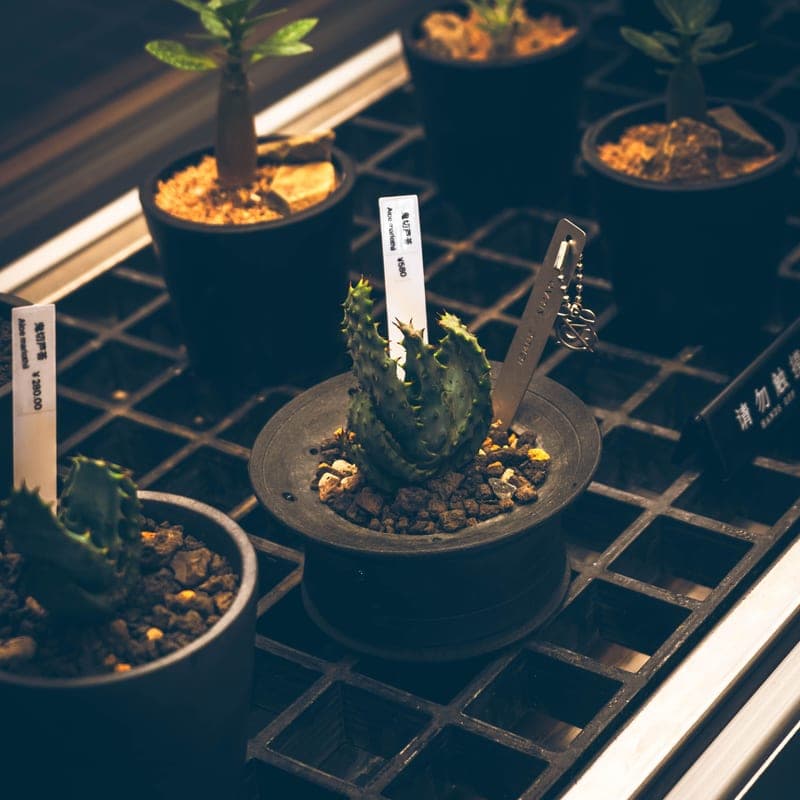
The default answer in this category, and it earns it: a single probe, no battery, a 1-to-10 dial with dry, moist and wet bands, and a probe long enough to reach the root zone of a real pot rather than the top inch.
#ad We do not currently hold a live price for this, so we do not show one. How we make money.
Published specification
- Probe length
- About 7 in (17.5 cm)
- Power
- None required, since the probe generates its own signal in moist soil
- Scale
- 1 to 10, banded DRY, MOIST and WET
- Probe design
- Single probe, to limit root damage
- Weight
- About 2.5 oz (70 g)
- Probe length: XLUX published specification, via retail listing
- Power: XLUX published description
- Scale: XLUX published description
- Probe design: XLUX published description
- Weight: XLUX published specification, via retail listing
What is good about it
- No batteries means it works the day you dig it out of a drawer eighteen months later
- A 7-inch probe reaches the middle of a 6-inch pot, which is where the answer actually is
- The banded dial answers the only question you have, water or do not, without pretending to a percentage it cannot deliver
- Cheap enough to buy two and leave one in the room with the plants
What is not
- It reads conductivity, not water content, so heavily fertilized soil reads wetter than it is
- The 1-to-10 scale is relative, not calibrated to any standard, so two meters can disagree
- Single probe means one reading per insertion, and pots are not uniform
Skip this one if
Skip it if you have three plants and a finger. Virginia Tech's own guidance is to push a finger 1 to 3 inches into the mix and check, and for small pots that is genuinely as good. Buy a meter when the pots are deep enough that your finger cannot reach the root zone.
How it scored
- Published specification
- 8.5
- Probe reach
- 9.0
- Readability
- 9.0
- Value for money
- 10.0
- Measurement honesty
- 6.5
- Overall
- 8.7 / 10
Our editorial score, from published specifications and computed intervals. Not a test result. Specification source: XLUX T10 retail listing.
Lechuza Classico Color 21
A desk or shelf plant you want to stop thinking about
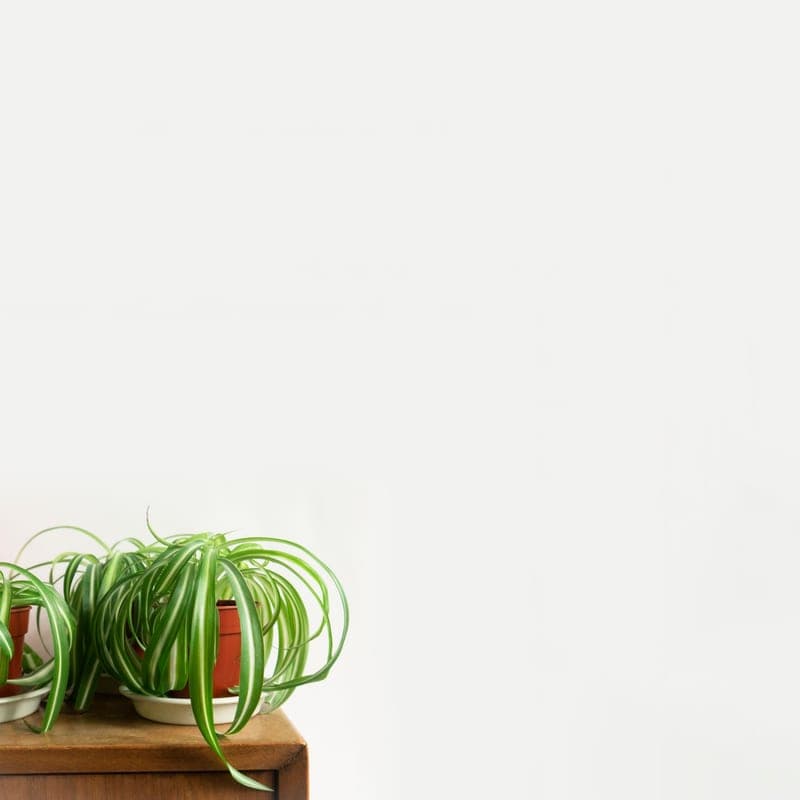
The only planter in this roundup whose maker publishes the reservoir capacity in liters, which is the single number that decides how long you can leave it. Five liters against a 6-inch tropical root ball is the longest computed interval on this page by a wide margin.
#ad We do not currently hold a live price for this, so we do not show one. How we make money.
Published specification
- Reservoir capacity
- 5 liters
- External dimensions
- 9 x 9 x 8 in (21 x 21 x 20 cm)
- Water level indicator
- Yes, float gauge
- Drainage plug
- Yes, for outdoor use
- Material
- Frost and UV resistant polypropylene
- Reservoir capacity: Lechuza published specification, via retail listing
- External dimensions: Lechuza published specification, via retail listing
- Water level indicator: Lechuza published specification
- Drainage plug: Lechuza published specification
- Material: Lechuza published specification
Refill interval - computed, not tested
Roughly 7 to 14 weeks between refills
5,000 ml reservoir divided by 350 ml per thorough watering of a 6-inch pot is 14.3 waterings. At the published cadence for a tropical houseplant of once or twice a week, that is 49 to 98 days.
Assumes: 6-inch tropical root ball, indoors, average room conditions. Light, temperature, humidity, soil mix and season all change how fast a pot dries, so treat this as a planning range and not a guarantee.
What is good about it
- Publishes the reservoir capacity, which almost nothing else in this category does
- The float gauge means you never have to guess whether it needs topping up
- The drainage plug lets the same planter work outdoors without drowning the plant in a wet week
- Sub-irrigation from a granulate layer rather than a wick, so there is no wick to rot or clog
What is not
- Expensive for a 9-inch pot, and the price is most of the argument against it
- The system is built around Lechuza's own mineral granulate, so you are buying into a way of potting, not just a pot
- A 5-liter reservoir under an 8-inch or larger plant is a much shorter interval than the headline suggests
Skip this one if
Skip it if you want one pot to cover a large floor plant. The reservoir is sized for a small-to-medium root ball, and the interval collapses as the plant gets bigger. Skip it too if you like repotting into ordinary potting mix, because the granulate layer is part of the design.
How it scored
- Published capacity
- 10.0
- Computed interval
- 9.5
- Build and materials
- 9.0
- Value for money
- 6.5
- Ease of setup
- 8.5
- Overall
- 8.8 / 10
Our editorial score, from published specifications and computed intervals. Not a test result. Specification source: Lechuza Classico Color 21 retail listing.
GroBucket GroBuddy Self-Watering Pot Insert
A medium floor plant in a pot deep enough to hide the insert
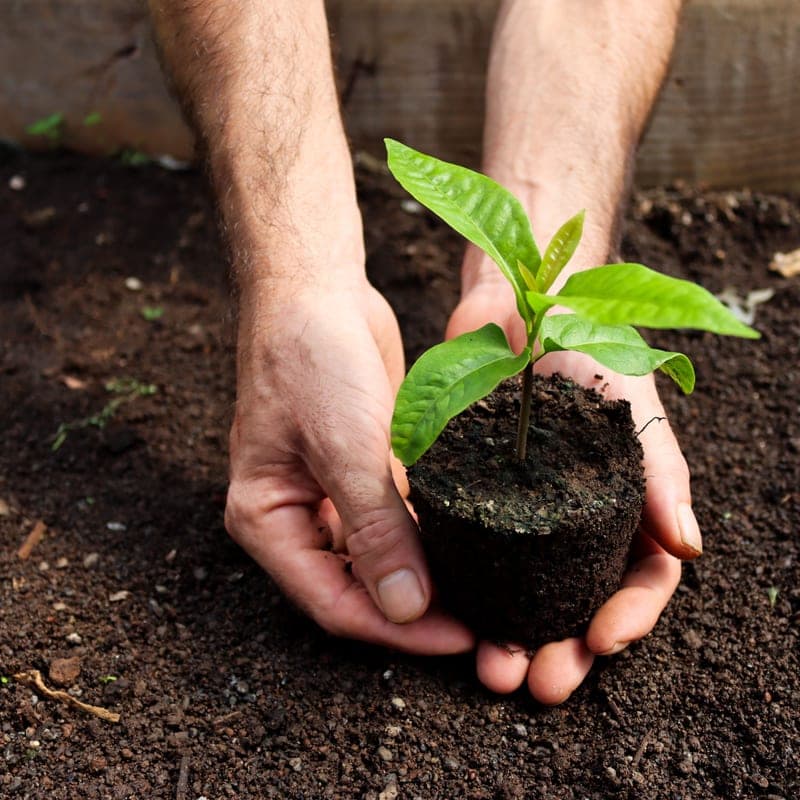
A one-gallon reservoir with a refill indicator, dropped into a pot you already own. The published gallon figure is the reason it makes this list ahead of the unlabeled inserts sitting next to it in the search results.
#ad We do not currently hold a live price for this, so we do not show one. How we make money.
Published specification
- Reservoir capacity
- 1 gallon (about 3.8 liters)
- Refill indicator
- Yes
- Watering method
- Below-soil reservoir with wicking to the root zone
- Reservoir capacity: GroBucket published specification, via retail listing
- Refill indicator: GroBucket published description
- Watering method: GroBucket published description
Refill interval - computed, not tested
About 2.5 to 5 weeks
3,785 ml divided by 800 ml per thorough watering of an 8-inch pot is 4.7 waterings. At once or twice a week, that is 17 to 35 days.
Assumes: 8-inch tropical root ball, indoors. Light, temperature, humidity, soil mix and season all change how fast a pot dries, so treat this as a planning range and not a guarantee.
What is good about it
- A published gallon of reservoir is genuinely large for an insert
- The refill indicator removes the guesswork that sinks most conversion kits
- Cheaper than replacing a pot you already like
What is not
- Needs real depth to disappear. In a shallow pot the insert eats the root zone
- One fixed size, so it fits the pots it fits
Skip this one if
Skip it if your pot is under about 10 inches deep. The insert takes up the bottom of the container, and in a shallow pot you are trading root room for reservoir at a bad exchange rate.
How it scored
- Published capacity
- 9.0
- Computed interval
- 8.5
- Flexibility
- 6.5
- Value for money
- 8.5
- Ease of setup
- 8.0
- Overall
- 8.1 / 10
Our editorial score, from published specifications and computed intervals. Not a test result. Specification source: GroBuddy insert retail listing.
Questions people actually ask
- Will a self-watering pot stop me overwatering?
Only if you stop top-watering as well, which is the habit most overwaterers cannot break unaided. Filling the reservoir and also pouring water on top saturates the mix, closes the air gap that keeps roots out of standing water, and produces the exact condition the pot was meant to prevent.
- Is a moisture meter worth it if I already have a self-watering pot?
Yes, and arguably more so. A reservoir pot gives you very little feedback about what is happening above the water line, and the failure mode is a mix that never dries. A probe tells you whether the upper root zone is actually drying between fills, which is the thing you cannot see.
- Which is cheaper, a moisture meter or a self-watering planter?
The meter, by a wide margin, and it covers every plant you own rather than one. If you already like your pots, a conversion insert is the cheaper route into sub-irrigation than a whole new planter.
- What if I both overwater and forget?
That is more common than it sounds, and it usually means watering erratically rather than in either direction consistently. Start with the meter: a month of readings will show you which pattern actually dominates, and it costs almost nothing to find out.
- Do self-watering pots cause root rot?
Used as designed, no - a proper air gap keeps roots out of standing water. Three usage errors create the rot condition anyway: top-watering as well as filling the reservoir, overfilling past the designed level, and using a dense mix that stays saturated.
Sources
Sources
- Criscione and Holliday-Goulart, Properly Watering Container Houseplants, Virginia Cooperative Extension SPES-804 (2026)
- Royal Horticultural Society, Watering plants wisely
- Daughtry, Watering but Not Overwatering Houseplants, NC State Extension (2022)
- Plants Grown in Containers, NC State Extension Gardener Handbook chapter 18